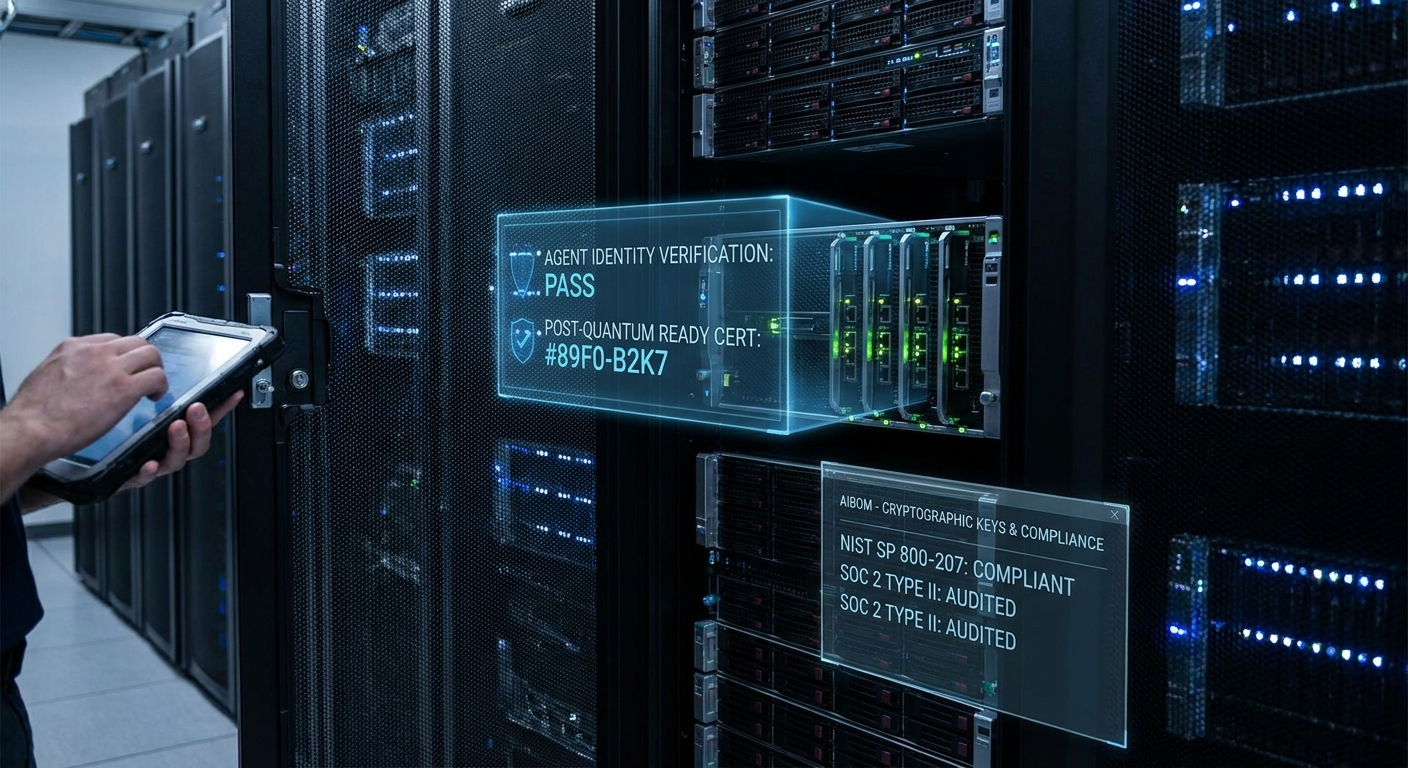
AppViewX Updates Certificate Lifecycle Management Platform to Support Post-Quantum Cryptography and AI-Driven Workloads

TL;DR
- AppViewX upgrades CLM to address post-quantum cryptography and AI-driven risks.
- New tools enable crypto-agility to prepare for future quantum computing threats.
- Centralized governance framework helps secure autonomous AI agent machine identities.
- Automates certificate renewals to prevent security gaps in enterprise environments.
The IT world is currently staring down two massive, converging freight trains: the rise of quantum computing and the frantic, often chaotic, rollout of AI agents. On July 22, 2026, AppViewX dropped a significant update to its Certificate Lifecycle Management (CLM) platform, essentially giving enterprise security teams a playbook—and the tools—to survive both.
For years, CLM was a relatively quiet corner of IT infrastructure. You issued a certificate, you tracked it, you renewed it. Simple. But today? That simplicity is dead. Between the looming threat of quantum-resistant standards and the explosion of AI agents that need their own machine identities to function, security teams are feeling the squeeze. This update aims to centralize that governance, turning what could be a security nightmare into a manageable, audited, and standardized process.
The Quantum Clock is Ticking
Let’s be honest: post-quantum cryptography isn't just another buzzword. It’s an existential threat to current encryption methods. As quantum computing matures, the math that keeps our digital world locked down is going to look like a screen door in a hurricane.
AppViewX is leaning into this by offering tools that prioritize crypto-agility and post-quantum cryptography readiness. The goal here is simple: you need to know exactly where your cryptographic assets are hiding before you can secure them. This update allows teams to inventory and update these assets across sprawling, hybrid environments without blowing up their operational continuity. It’s about being ready to pivot when the standards finally shift, rather than scrambling after the fact.
Taming the AI Wild West
Then there’s the AI problem. Every department is spinning up AI agents to automate tasks, but these agents are essentially autonomous digital workers. They need to authenticate. They need identities. If you leave them unmanaged, they become massive, gaping holes in your network perimeter.
The new release provides the necessary framework for governing AI agents at scale, ensuring these automated entities don't become the weakest link in your security chain. By integrating AI agent identity security software directly into the CLM lifecycle, AppViewX is trying to offload the manual heavy lifting. Instead of chasing down individual certificate renewals for a fleet of AI bots, security teams can focus on what actually matters: setting the policies that govern them.
What’s Under the Hood
The update isn't just about theory; it’s about tactical control. Here is how they’re modernizing the enterprise security posture:
- Post-Quantum Preparedness: A toolkit to assess current cryptographic assets and migrate them to quantum-resistant standards before they become obsolete.
- AI Agent Governance: A centralized hub to manage machine identities for AI agents, ensuring every automated action is authenticated and tracked.
- Workflow Automation: Smarter automation that handles the lifecycle of certificates across complex, distributed environments, cutting down on the "human error" factor.
- Unified Visibility: A single dashboard to keep an eye on both legacy systems and the new, AI-integrated architectures.
As Yahoo Finance recently noted, this is a strategic move to address a threat landscape that is fundamentally changing. You can no longer manage security in silos when the infrastructure itself is becoming more dynamic and ephemeral.
Impact on the Front Lines
So, what does this actually mean for the average enterprise? It means moving from a reactive "fix it when it breaks" mentality to a proactive, structured approach. By leaning into post-quantum migration and AI adoption, organizations can actually get ahead of the curve.
| Focus Area | Objective |
|---|---|
| Post-Quantum Migration | Building resilience against future quantum-based decryption threats. |
| AI Integration | Securing machine identities for autonomous, high-velocity AI agents. |
| Operational Efficiency | Automating the CLM lifecycle to eliminate manual intervention. |
| Governance | Keeping centralized control over an increasingly fragmented digital identity landscape. |
The Future is Dynamic
Managing machine identities in an era of AI and quantum computing isn't a "set it and forget it" task. It requires a fundamental shift toward dynamic, agile security frameworks. If you’re still relying on static spreadsheets or manual tracking, you’re already behind.
By embedding these capabilities directly into the CLM platform, AppViewX is betting that the winners of the next decade will be the ones who can handle the complexity of modern infrastructure without sacrificing performance. The real value here is visibility—knowing exactly where your cryptographic assets are deployed and having the power to rotate and renew them at the speed of an AI agent.
As the industry continues to grapple with these shifts, the ability to maintain a consistent security policy across both human and machine-driven workloads will be the ultimate differentiator. This release provides the foundation for that, ensuring that as organizations continue to innovate, they don't accidentally leave the back door wide open.