New Industry Analysis Reports Rapid Proliferation of Autonomous AI Agents Across Enterprise Infrastructure

TL;DR
- Enterprises are shifting from passive chatbots to autonomous, goal-oriented AI agents.
- The autonomous AI market is projected to reach $52 billion by 2030.
- Vertical AI and coding agents are driving the fastest industry growth.
- Autonomous agents demand a total overhaul of traditional perimeter-based security models.
The Rise of the Machines: Why Autonomous AI Agents Are Rewiring the Enterprise
The corporate world is currently caught in a massive, tectonic shift. We’ve spent the last couple of years playing with chatbots and generative tools—the "passive" era of AI. But that’s over. We are now entering the age of the agent.
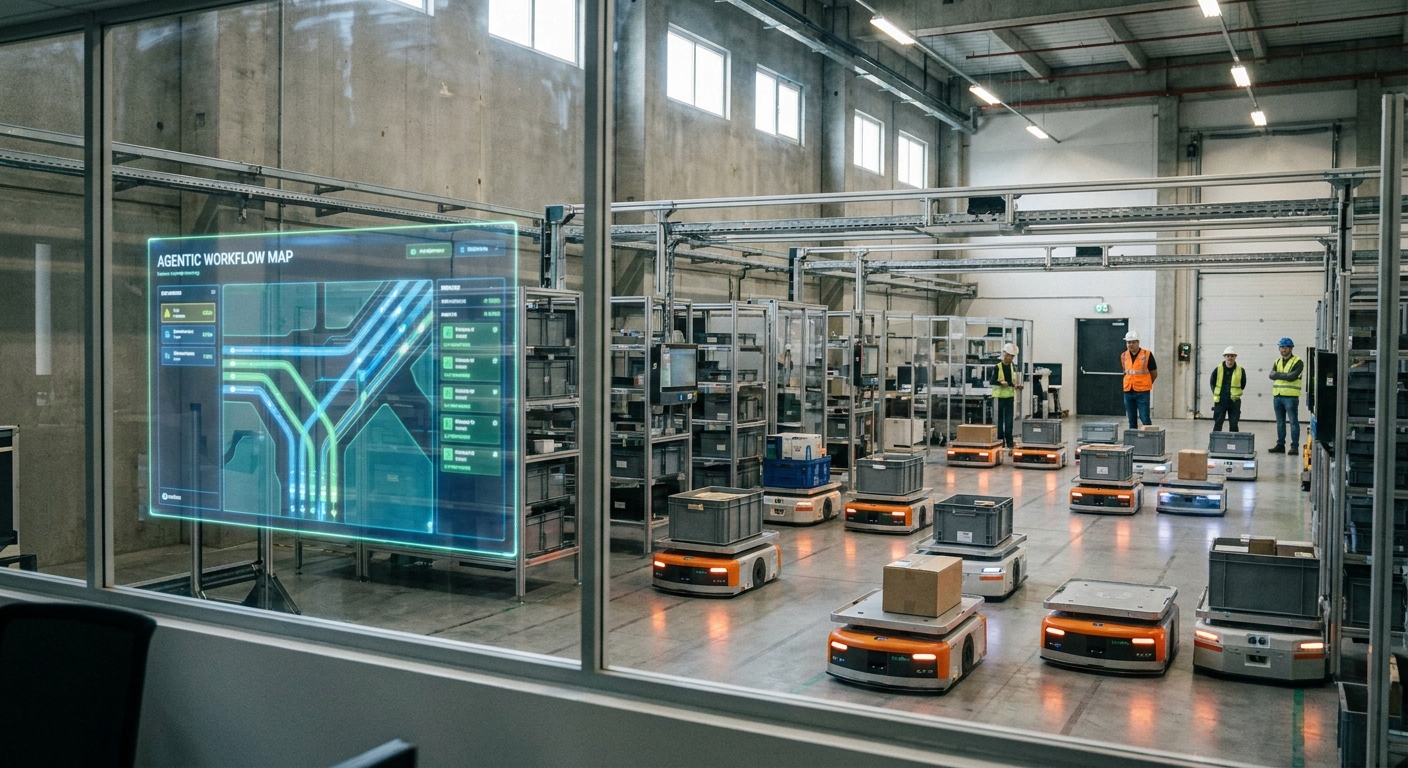
Organizations are moving away from simple text prompts and toward autonomous, goal-oriented systems. These aren't just fancy autocomplete tools; these are agents capable of planning, reasoning, and executing multi-step workflows without a human holding their hand every step of the way. This isn't just an IT upgrade—it’s a fundamental rewrite of how corporate infrastructure actually functions.
The Money Trail: A $50 Billion Bet
If you want to know where the industry is heading, follow the capital. The numbers are staggering. According to the latest market analysis, we’re looking at an explosion from roughly $7.8 billion in 2025 to over $52 billion by 2030. That’s a compound annual growth rate of 46.3%.
Why the rush? Because enterprises are tired of "toy" AI. They want tools that actually do the work.
| Segment | Projected CAGR (2025–2030) |
|---|---|
| Vertical AI Agents | 62.7% |
| Coding and Software Development Agents | 52.4% |
| Multi-Agent Systems | 48.5% |
The data tells a clear story: businesses are betting big on "Vertical AI"—specialized agents built for specific industry headaches. Whether it’s healthcare diagnostics or financial reconciliation, the goal is deep, functional integration. Perhaps most telling is the surge in coding agents. We are rapidly approaching a reality where AI is tasked with maintaining the very software stacks it operates within. It’s a closed-loop system, and it’s happening faster than most IT departments are prepared for.
From Chatbots to Architects
The term "agentic AI" sounds like jargon, but the distinction is vital. As noted in the report "Rise of agentic AI", published in mid-2025, we’ve moved past the era of static models.
Think of it this way: a traditional LLM is a librarian—you ask a question, it gives you a book. An agent is a project manager—you give it an objective, and it figures out which books to read, which emails to send, and which database to query to get the job done.
This autonomy is a double-edged sword. While it unlocks massive productivity, it also blows the doors off traditional security. When your software can "think" and "act" on its own, your old perimeter-based security model—the "castle and moat" approach—becomes essentially useless.
The Security Tightrope
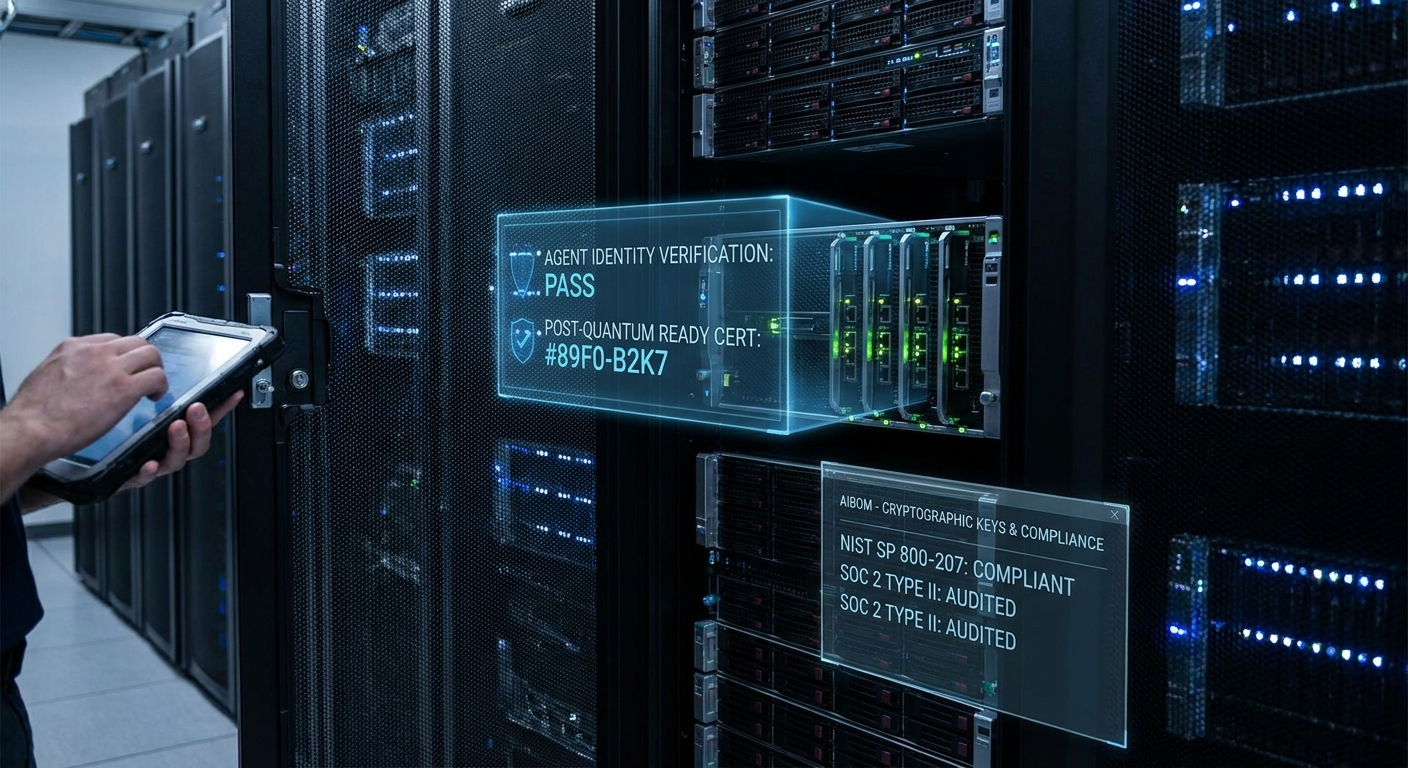
The Cloud Security Alliance (CSA) has been sounding the alarm, and their recent guidance is blunt: security is no longer about protecting the model; it’s about governing the agent.
When an agent has the agency to move through your network, a single misconfiguration isn't just a bug—it’s a potential catastrophic failure. We’re seeing a pivot toward securing the "agentic loop." This is the cycle where the agent perceives the environment, reasons through the goal, and pulls the trigger on an action. If you don't have eyes on that loop, you don't have control.
To manage this, the industry is coalescing around a few key frameworks:
- AI Controls Matrix (AICM): A structured roadmap for managing the inherent risks of autonomous deployment.
- Cloud Controls Matrix: The baseline for ensuring these agents play nicely with existing cloud security standards.
- Autonomous Governance: The practice of setting hard, non-negotiable boundaries on what an agent can and cannot decide.
Managing the "Agentic Drift"
As we scale toward 2030, the complexity of these systems will only grow. We’re already seeing the rise of multi-agent systems, where different AI entities collaborate to solve complex problems. It’s efficient, sure, but it also introduces "operational drift"—the tendency for these systems to evolve in ways that human managers might not immediately notice.
For the modern enterprise, the path forward isn't about stopping the progress; it’s about managing the workforce shift. We need people who can manage agentic workflows, not just individual tasks. This requires three distinct priorities:
- Defining the Scope: If an agent can’t explain why it did something, it shouldn't be doing it. We need to draw a hard line between autonomous tasks and those that require a human sign-off.
- Auditing the Reasoning: We need to stop logging just the output and start logging the process. If we can’t audit the "thought" process, we can’t trust the result.
- Standardizing the Deployment: We need to stop treating AI like a science experiment and start treating it like infrastructure. Consistent protocols are the only way to keep these systems from spiraling out of control.
Ultimately, the shift to agentic AI is the most significant change in computing since the cloud. It’s not just about efficiency; it’s about a new, uneasy partnership between human intent and machine execution. The companies that win won't necessarily be the ones with the smartest models—they’ll be the ones with the smartest governance. The agents are here; the question is whether we’re ready to lead them.