Cisco Unveils Zero Trust Architecture Framework for Autonomous Agentic Workflows at Cisco Live 2026

TL;DR
- Cisco introduces AgenticOps to integrate autonomous AI agents into IT management.
- Cisco Cloud Control acts as a unified command center for multicloud environments.
- The Cisco AI Canvas enables natural language configuration of network infrastructure.
- Live Protect provides runtime vulnerability shielding without requiring system reboots.
- Zero Trust guardrails ensure secure, validated autonomous workflows for enterprises.
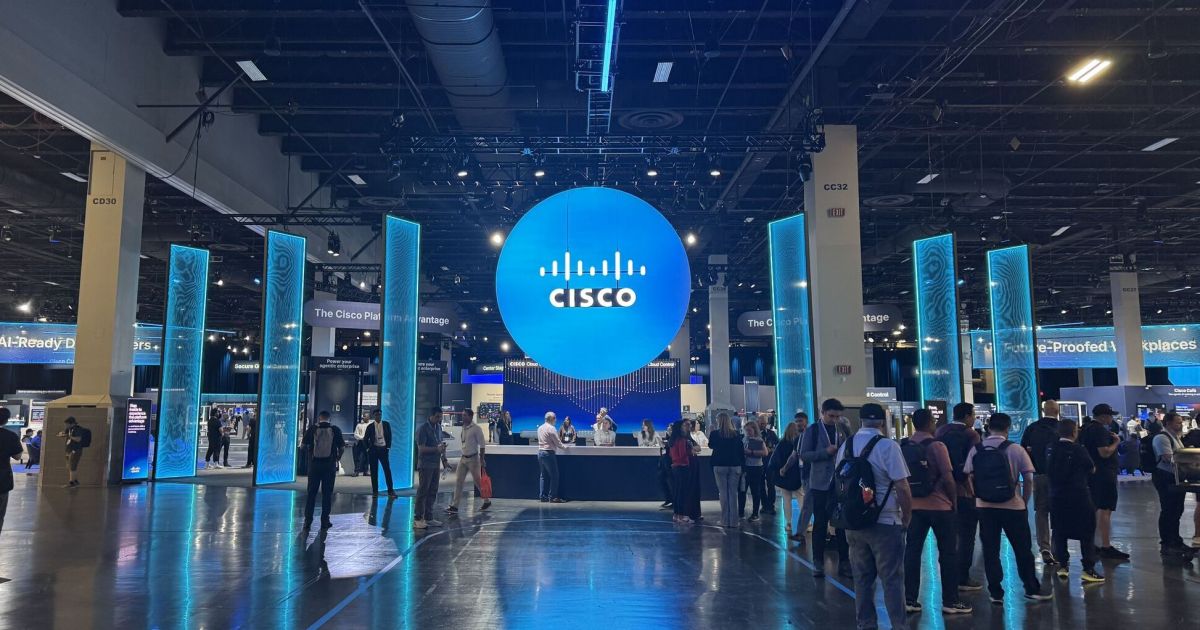
Las Vegas was buzzing at Cisco Live 2026, but the real news wasn't just another hardware refresh. Cisco pulled the curtain back on "AgenticOps," a bold operational framework that essentially invites autonomous AI agents to take a seat at the IT management table. The centerpiece? Cisco Cloud Control—a unified management plane that acts as the connective tissue between human engineers and AI agents across networks, security, compute, and observability stacks.
We’re officially entering the "Agentic Era." Think of it as a shift from managing boxes to managing outcomes. These AI agents aren't just chatbots; they’re designed to sense, diagnose, fix, and validate network hiccups in real-time. By tapping into the Cisco Deep Network Model—which is essentially a brain built on forty years of operational telemetry—the platform aims to provide a sandbox where autonomous workflows can actually run without breaking the production environment.
The Foundation of AgenticOps
Cisco Cloud Control is the command center for this new paradigm. It’s built to play nice with others, integrating third-party tools from AWS, Microsoft, and Google Cloud. In a world where multicloud fragmentation is the norm, having a single pane of glass that actually works is a massive win.
Then there’s the Cisco AI Canvas. It’s a multiplayer generative workspace where human engineers and AI agents work side-by-side. You don't need to write a thousand lines of code anymore; you just use natural language prompts to tell the infrastructure what you need. It turns manual, soul-crushing configurations into intent-based workflows that just... happen.
The rollout for Cisco Cloud Control kicked off in the U.S. on June 2, 2026, with a global expansion hitting in July. They’re taking a phased approach, and for good reason—they’re stress-testing the "Autonomous Agentic Loop," the engine that handles the entire lifecycle of a network fix from start to finish.
Security and Infrastructure Resilience
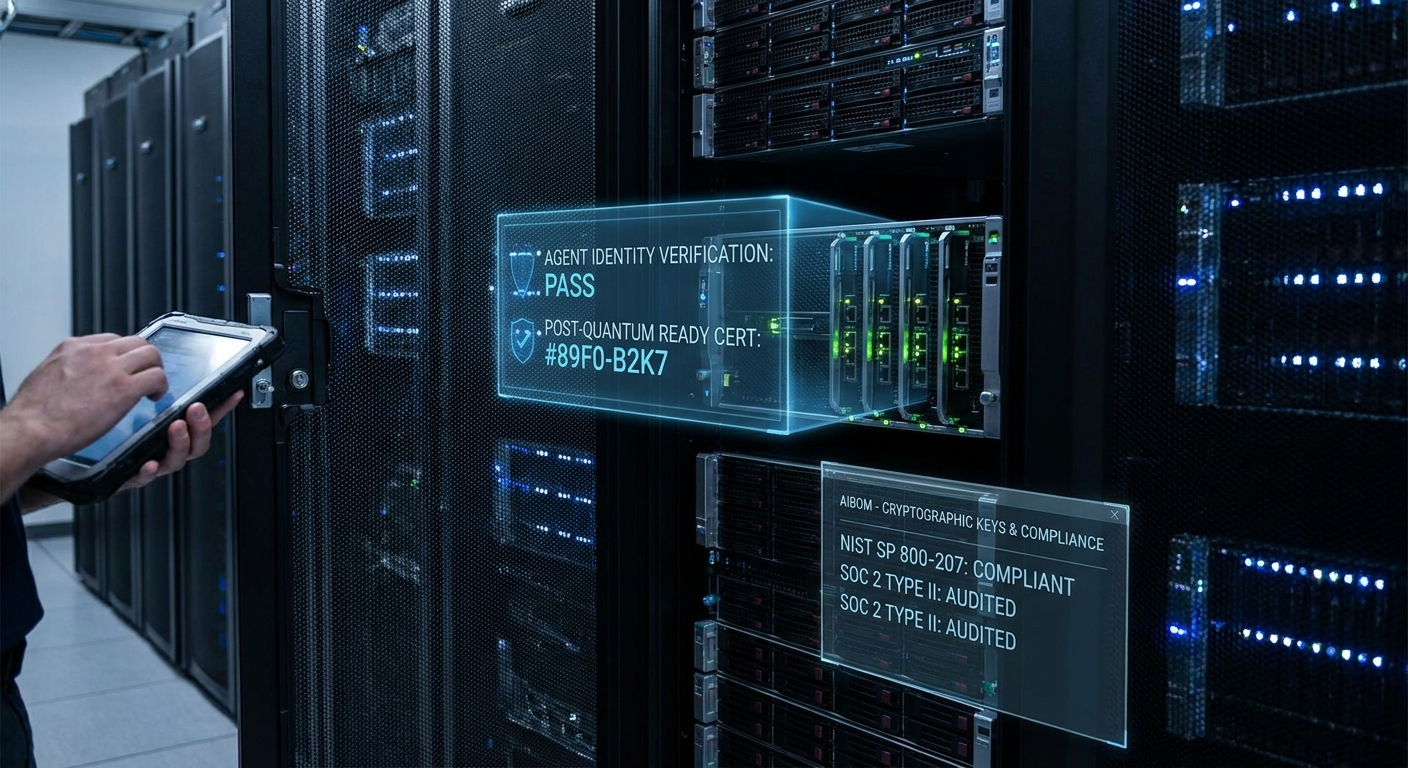
Giving AI the keys to your network configuration sounds terrifying unless you’ve got the right guardrails. That’s where the Zero Trust focus comes in. Cisco has beefed up its "Live Protect" capabilities, which allow for runtime vulnerability shielding. The best part? You don't need to reboot or schedule downtime to patch a hole. That’s a massive bottleneck removed for security teams.
They’re also looking toward the future of threats. With new Cisco IQ capabilities, Cisco is tackling the "harvest now, decrypt later" problem by rolling out post-quantum cryptography for SD-WAN and distributed firewalls.
Here is how the new stack breaks down:
| Component | Function |
|---|---|
| Cisco Cloud Control | Unified management plane for multicloud and on-prem infrastructure. |
| AI Canvas | Multiplayer generative interface for human-agent collaboration. |
| Live Protect | Runtime vulnerability shielding without downtime. |
| Cisco IQ | Analytics and assessment tools for quantum-ready security. |
| Agent Builder | Development environment for custom autonomous agents. |
Hardware and Connectivity Enhancements
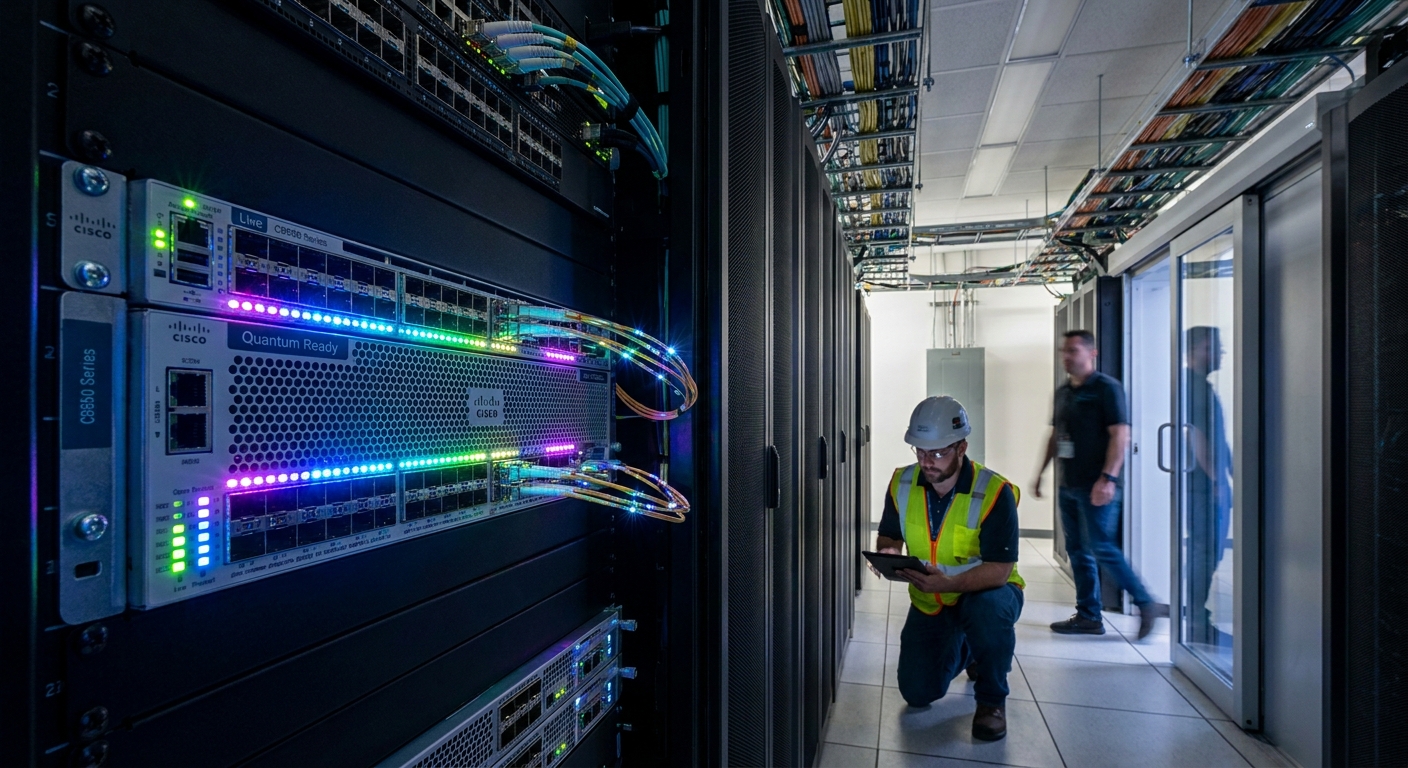
AI-scale workloads chew through bandwidth like nothing else. To keep up, Cisco dropped the C9550 Series core switches, powered by their SiliconOne architecture. We’re talking 6.4 Tbps of throughput—plenty of headroom for the heavy lifting of AI training and inference.
Beyond the core, the hardware refresh includes:
- Wi-Fi 7 Outdoor APs: Built for industrial and campus environments that need absolute reliability.
- Ruggedized IR1000 Routers: For those edge deployments where the environment is less "climate-controlled office" and more "harsh industrial site."
- Cisco Multicloud Fabric: A way to keep traffic secure and monitored as it hops between different cloud providers.
If you want to build your own agents, the Cisco Cloud Control Agent Builder is the toolkit you’ll want. It lets you define exactly how much autonomy an agent gets. You keep the human in the loop for the high-stakes decisions, while the AI handles the mundane, repetitive maintenance that usually keeps IT teams up at night.
Collaborative Security Research
Cisco isn't going at this alone. They’ve teamed up with Anthropic to leverage the "Mythos" AI model for defensive research. The goal is simple: get better at catching threats before they hit the network.
When you combine that research with the secure harness provided by Cisco Cloud Control, you get a pretty robust environment. They’re even extending this to the collaborative edge with Webex enhancements, like the Webex Meeting Prep Agent, which brings that same "agentic" logic to how we manage our calendars and contact centers.
This shift to AgenticOps is a fundamental change in the IT playbook. We’re moving away from the endless cycle of tickets and manual intervention toward intent-based systems that actually do the work. It’s going to be a fascinating few months as these autonomous loops start running in real-world enterprise environments. The industry is watching closely to see if the reality matches the promise.