IBM Launches Vault Enterprise 2.0 to Automate LDAP Secrets Management for Machine Identity Governance


TL;DR
- IBM Vault Enterprise 2.0 automates LDAP secrets management to eliminate manual credential risks.
- Centralized rotation managers replace long-lived credentials with secure, automated lifecycles.
- New self-managed flows allow accounts to handle their own password rotation securely.
- The update enhances machine identity governance across hybrid cloud and Z/LinuxONE environments.
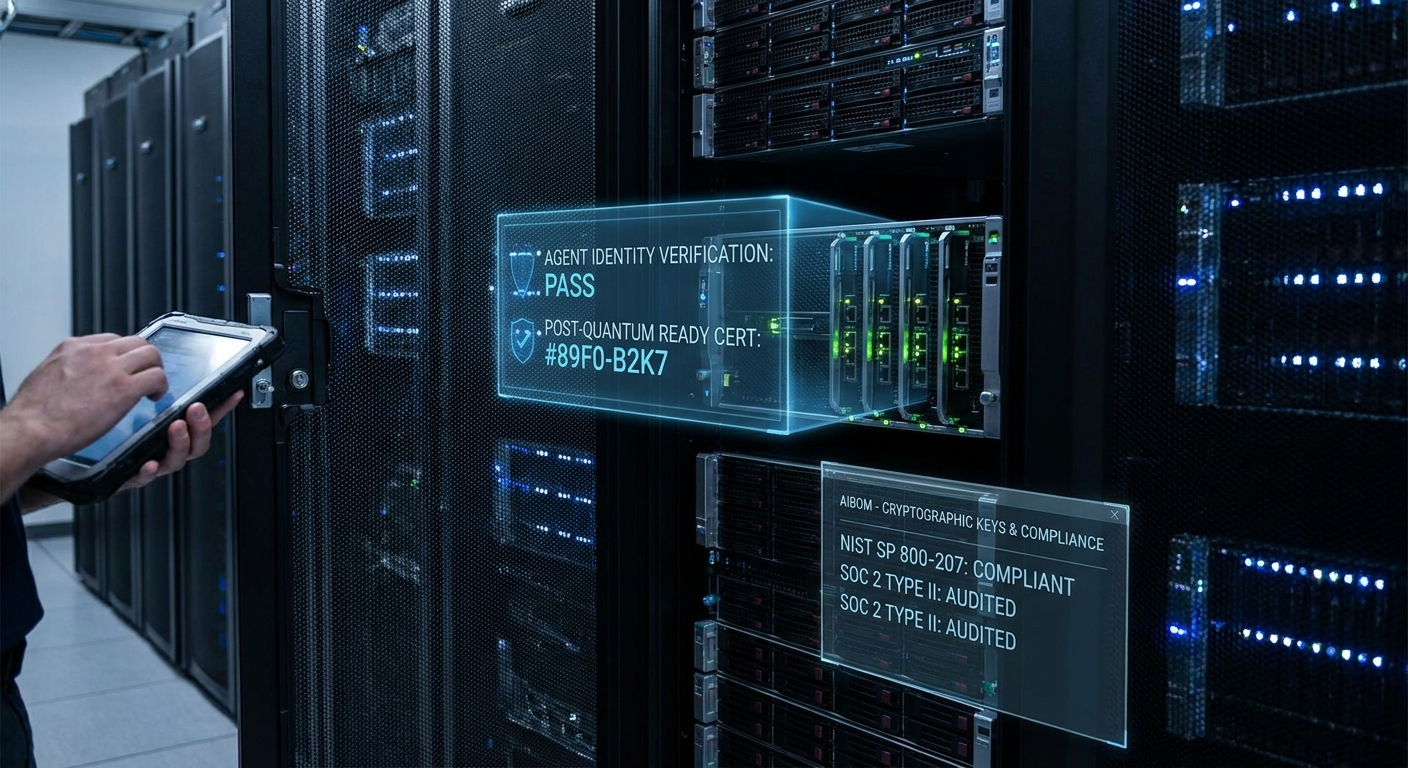
IBM has officially pulled the curtain back on Vault Enterprise 2.0. This isn't just a minor patch; it’s a heavy-duty update to their secrets management platform, specifically designed to drag LDAP secrets management into the age of automation. By tackling the messy, high-risk world of legacy LDAP systems, IBM is making a clear play to reduce the operational headaches—and the massive security gaps—that come with managing machine identities.
This move follows the momentum generated after IBM completed its acquisition of HashiCorp. It’s a logical step: if you’re going to own the infrastructure, you need to own the keys to the kingdom. By centralizing machine identities and credentials, Vault Enterprise 2.0 aims to clean up how enterprises handle access across their sprawling, hybrid cloud setups.
LDAP Security: Finally, Some Automation
The real star of the show in 2.0 is the reimagined LDAP secrets engine. Let’s be honest: managing LDAP credentials has historically been a nightmare. It’s usually a manual, high-stakes game of "don't break anything," often relying on high-privilege master accounts that are just begging to be compromised. If a bad actor gets their hands on one of those, the game is over.
The new architecture flips the script by pulling LDAP static roles into a centralized rotation manager.
The goal here is simple: kill off the reliance on long-lived credentials. By automating the lifecycle of these secrets, IT teams can finally stop babysitting passwords and start enforcing real security policies. They’ve even tossed in a "self-managed flow," which lets individual LDAP accounts rotate their own passwords. It’s a small change that saves a mountain of administrative work.
Here is what the updated engine brings to the table:
- Centralized Rotation Manager: It pulls static roles into one unified framework, ensuring that when you set a policy, it actually sticks.
- Initial State Password Support: You can now configure an initial password right when you’re onboarding the LDAP account.
- Self-Managed Password Rotation: Accounts handle their own rotation, so you can finally stop handing out master-level privileges just to keep the lights on.
- Intelligent Operational Controls: You get granular control—scheduling, automated retries, and the ability to pause or resume tasks without blowing up your workflow.
Bringing the Muscle to Z and LinuxONE
Vault Enterprise 2.0 isn't living in a vacuum. Its arrival lines up with the broader rollout of IBM Vault Self-Managed and IBM Nomad Self-Managed for Z and LinuxONE. These tools are built for the heavy lifting—bringing standardized secrets management and container orchestration to mission-critical workloads. When you run this on Z and LinuxONE, you’re getting centralized secrets storage, RBAC, and encryption-as-a-service, all while ticking the boxes for those strict regulatory compliance mandates.
It’s built for the reality of modern IT: hybrid and multi-cloud. Whether your workloads are sitting on AWS, Azure, or IBM Cloud, the security policies you set in Vault Enterprise 2.0 follow them everywhere. Consistency is the name of the game.
| Feature | Functionality |
|---|---|
| LDAP Rotation | Automates credential lifecycle management |
| Self-Managed Flow | Enables individual account password rotation |
| RBAC | Provides granular access control for secrets |
| Orchestration | Supports containerized and non-containerized workloads |
Making the Switch
If you’re already using Vault, don’t panic. The migration to 2.0 is designed to be a non-event. If you’re on Vault 1.21.x or earlier, the system handles the migration automatically the moment you unseal the vault. It’s a "set it and forget it" upgrade path meant to keep your downtime to zero and your security posture rock-solid.
The focus on identity security here is sharp, especially when you look at how it handles high-performance computing (HPC) and batch scheduling via Nomad. By tying secrets management directly to workload orchestration, the platform helps trim deployment times and keeps CI/CD pipelines from becoming the weakest link in your security chain.
IBM is clearly trying to foster a conversation around these tools. For those who want to get into the weeds, IBM Z Day Special Edition, happening April 8, 2025, is the place to be for technical deep dives.
Ultimately, this reflects a wider industry shift. As noted in recent software architecture updates, automated secrets management is no longer a "nice to have"—it’s a requirement for survival in distributed systems. By baking these capabilities into the foundation of the Vault platform, IBM is giving enterprises a clear path out of the manual credential trap and into a more resilient, automated future. It’s about time.