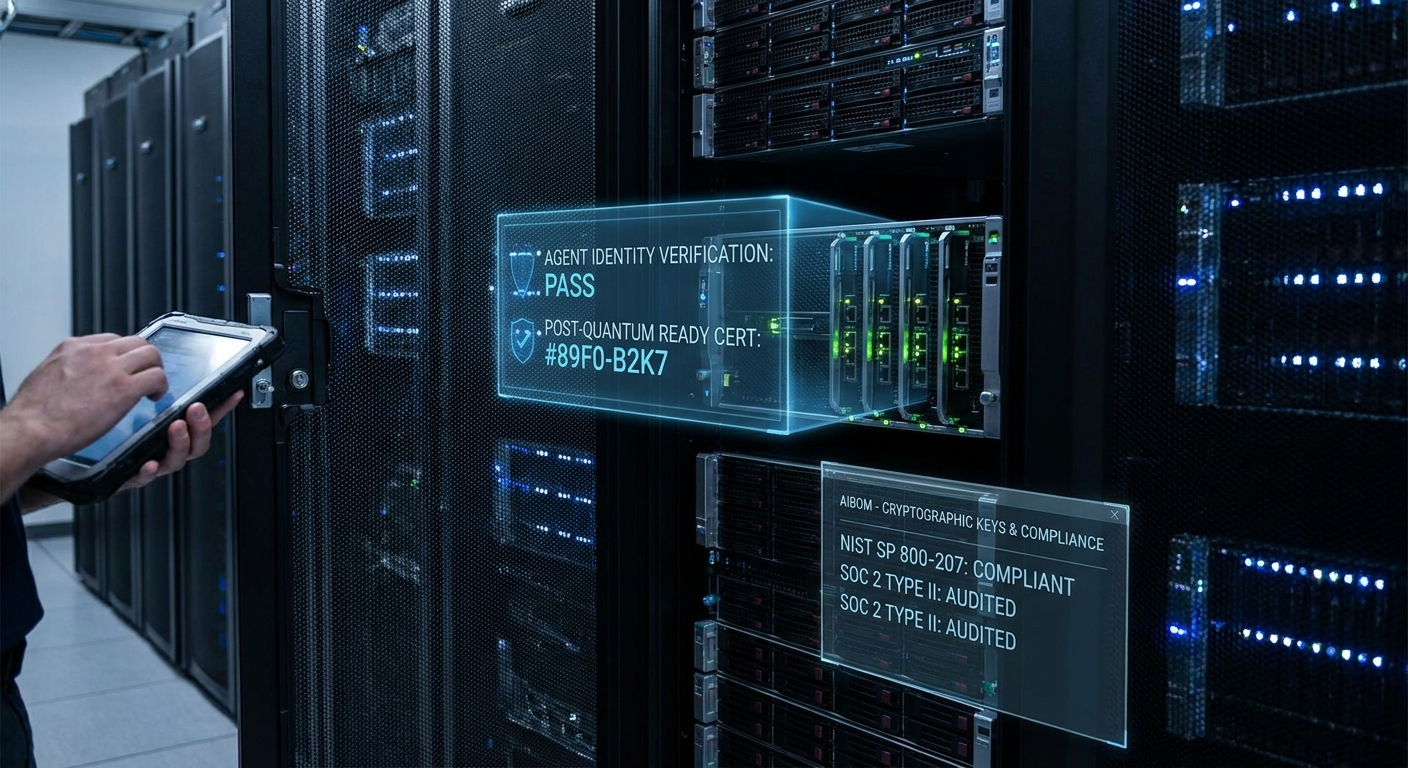
KPMG 2026 Cybersecurity Report Identifies Non-Human Identities as a Critical Priority for CISOs


TL;DR
- KPMG identifies non-human identities as a top CISO security priority for 2026.
- Proliferation of agentic AI and bots creates significant, unmonitored security vulnerabilities.
- Transitioning to zero-trust architecture is essential for verifying all automated interactions.
- Geopolitical instability is forcing a strategic shift in supply chain and infrastructure security.
The cybersecurity playbook is being rewritten in real-time. By 2026, the old guard of perimeter defense—firewalls, simple access controls, and human-centric monitoring—has become woefully inadequate. We’re living in an era defined by the rapid-fire proliferation of agentic AI and a geopolitical climate that feels more like a pressure cooker than a global marketplace.
According to KPMG’s Cybersecurity Considerations 2026, the new frontier isn't just about protecting people; it’s about managing the "non-human identities" (NHIs) that now run the show. As digital agents weave themselves into the fabric of enterprise operations, the traditional security model is starting to fray at the edges.
The Rise of the Machines (and Why They Need Governance)
Think about how your organization actually functions today. It’s not just employees logging into portals anymore. It’s a sprawling web of digital agents, automated service accounts, and AI-driven bots that have the keys to the kingdom. These entities operate with high-level privileges, often bypassing the authentication hurdles we built for humans.
As noted in KPMG's analysis, the uncontrolled growth of these non-human identities is a ticking time bomb. If you aren't governing your bots, you’re essentially leaving the back door wide open for threat actors to gain persistent, high-level access.
This isn't just a technical glitch; it’s a strategic vulnerability. To get ahead of it, CISOs are having to pivot toward a zero-trust architecture. In this world, trust is a ghost—every interaction, whether it’s a human sysadmin or a piece of autonomous code, must be verified, monitored, and audited.
| Priority Area | Strategic Focus |
|---|---|
| Non-Human Identities | Governance of agentic AI and automated service accounts. |
| AI Systems Security | Protecting AI models from adversarial manipulation. |
| Supply Chain Security | Mitigating risks from geopolitical shifts and third-party dependencies. |
| Post-Quantum Readiness | Preparing cryptographic standards for future computing threats. |
| Regulatory Compliance | Navigating fragmented global data sovereignty requirements. |
Geopolitics and the C-Suite Headache
It’s not just the code that’s getting complicated; it’s the map. Geopolitical friction is forcing companies to rethink their entire supply chain. When nation-state actors start treating corporate infrastructure as a playground, the conversation in the boardroom changes. Business continuity is no longer a "nice to have"—it’s the primary concern for the C-suite.
To make matters worse, the regulatory landscape is a fragmented mess. Data sovereignty laws are shifting under our feet, and keeping up with compliance across multiple jurisdictions is a full-time job. Cybersecurity teams are being squeezed, forced to balance the breakneck speed of digital transformation with the rigid, often conflicting demands of global regulators.
The CISO as a Strategic Architect
Majid Makki, Partner and Head of Management Consulting and Technology Advisory at KPMG in Kuwait, hits the nail on the head: the CISO is no longer just the person who keeps the servers running. They are becoming strategic business leaders. The role has evolved from a technical gatekeeper to a bridge-builder between the server room and the boardroom.
The report advocates for "radical transparency." It’s a simple concept, but a hard one to execute: translate cyber risk into business language. If the board can’t understand the risk, they can’t fund the solution. By positioning cybersecurity as a business enabler rather than a siloed IT expense, leaders can finally start allocating resources where they actually matter.
The 2026 Roadmap: Eight Pillars of Resilience
The KPMG Cybersecurity Considerations 2026 report outlines eight critical priorities that serve as a blueprint for the next few years. It’s not about buying more tools; it’s about baking security into the enterprise DNA:
- Zero-Trust Architecture: Stop trusting by default. Continuous verification is the only way to survive.
- AI-Enabled Defense: If the attackers are using AI to break in, you need to use AI to keep them out. It’s an arms race, and you can’t afford to lose.
- Supply Chain Resilience: Your security is only as strong as your weakest vendor. Rigorous vetting is mandatory, not optional.
- Post-Quantum Cryptography: It sounds like science fiction, but the threat is real. Start planning now to secure your data against future decryption capabilities.
- Regulatory Alignment: Build frameworks that are flexible enough to bend when the laws change, rather than breaking under the pressure.
As organizations explore KPMG’s insights on AI and technology, the takeaway is clear: innovation is moving faster than our current security models can handle. The organizations that win in 2026 will be the ones that stop viewing security as a static barrier and start viewing it as a dynamic, evolving capability.
For those looking to dive deeper into these imperatives, the Cybersecurity Considerations 2026 resource hub is the place to start. The goal isn't to reach a state of perfect security—that’s a myth. The goal is to build a resilient organization that can weather the storm, adapt to the chaos, and keep the business moving forward, no matter what the digital landscape throws its way.