KPMG 2026 Cybersecurity Report Identifies Non-Human Identities as a Critical Priority for CISOs


TL;DR
- Non-human identities (AI/machine) now outnumber human users 80 to 1.
- Traditional identity governance is failing to secure autonomous machine credentials.
- 92% of executives identify managing AI agents as the top future security skill.
- Machine identities have become the primary target for sophisticated cyber adversaries.
- CISOs must transition to new strategic frameworks to mitigate machine-level risks.
The cybersecurity landscape has fundamentally shifted. We’ve moved past the era where security was simply about protecting user accounts and firewalls; today, the enterprise is being run by a silent, invisible workforce. Non-human identities—AI agents, service accounts, and machine credentials—are now the primary drivers of business operations. According to the KPMG Cybersecurity Considerations 2026 report, these entities outnumber human users by a staggering 80 to 1 in the average enterprise.
This isn't just a technical quirk; it’s a structural crisis. Traditional identity governance, built on manual onboarding and periodic "rubber-stamp" attestations, is effectively dead.
As organizations double down on complex tech stacks, the CISO’s job description has ballooned. It’s no longer just about keeping the bad guys out of the network. Now, it’s about AI safety, the messy convergence of physical and digital security, and translating technical risk into a language that boards of directors can actually understand. The KPMG data makes one thing clear: the sheer scale of machine-to-machine interaction has created a new class of load-bearing risks that require immediate, high-level strategic intervention.
The Proliferation of Non-Human Identities
The rapid adoption of autonomous AI agents has rewritten the rules of the threat surface. Because machine identities often carry elevated privileges and operate without the oversight we apply to human employees, they’ve become the ultimate prize for sophisticated adversaries. As the KPMG 2026 report points out, standard governance practices simply can’t keep pace with this volume of credentials.
Organizations are scrambling to catch up. Data suggests that 61% of US companies have already mandated a "human-in-the-loop" requirement for autonomous agents, a desperate attempt to curb erratic or unauthorized actions. Looking ahead, 92% of tech executives surveyed believe that managing AI agents will be the defining skill for security teams over the next five years.
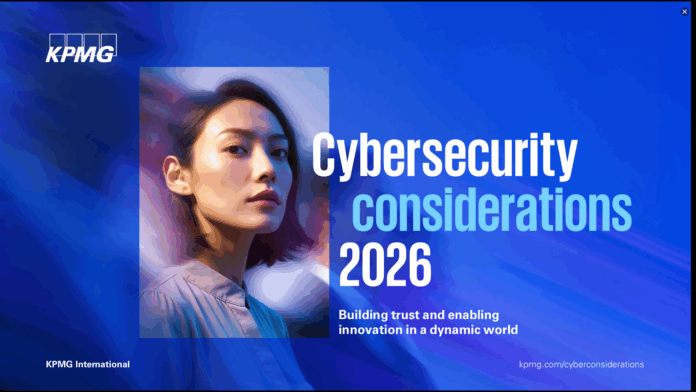
Eight Critical Priorities for 2026
The KPMG analysis isolates eight areas where modern enterprises are most vulnerable. These aren't just IT headaches; they are existential business risks.
- Non-Human Identity Management: The sheer volume of machine identities has eclipsed human users, creating a massive blind spot.
- AI Safety and Ethics: We need actual governance frameworks, not just guidelines, for autonomous systems.
- Post-Quantum Cryptography (PQC) Migration: This is no longer optional. With regulatory pressure mounting in finance and defense, the clock is ticking on current encryption standards.
- IT/OT Hyperconnectivity: The walls between information technology and operational technology have crumbled, and the security gaps are widening.
- Third-Party Risk Management: With 59% of companies hit by a third-party-linked breach in the last year, the supply chain is officially the weakest link.
- Board-Level Resilience Reporting: CISOs must learn to speak "business" or risk losing the mandate to lead.
- Physical-Cyber Convergence: As physical infrastructure goes digital, a hack can now lead to physical destruction.
- Regulatory Compliance: The global patchwork of data mandates is becoming increasingly volatile and complex.
The Imperative of Post-Quantum Migration
If there is one "must-do" on this list, it’s the transition to post-quantum cryptography (PQC). We are currently living in a "harvest now, decrypt later" world, where adversaries intercept encrypted data today, waiting for the day quantum processing power makes it readable. For industries like finance and defense, this is an existential threat.
The KPMG 2026 insights are blunt: if you aren't prioritizing PQC migration, you are effectively leaving your most sensitive data exposed for future theft. This isn't a long-term roadmap item; it’s an immediate operational requirement.
Strategic Impact Summary
| Risk Area | Primary Challenge | Strategic Shift |
|---|---|---|
| Identity | 80:1 machine-to-human ratio | Automated identity lifecycle management |
| Third-Party | 59% breach rate from external sources | Continuous monitoring of vendor ecosystems |
| AI Integration | Lack of oversight for autonomous agents | Mandatory human-in-the-loop protocols |
| Cryptography | Quantum-readiness requirements | Immediate migration to PQC standards |
The Evolving Role of the CISO
The CISO’s role is expanding because our digital and physical worlds are no longer separate. When you manage the security of smart manufacturing equipment or automated infrastructure, you aren't just protecting data—you're protecting operations and, quite often, people.
This convergence demands a holistic approach. The most successful CISOs in 2026 will be the ones who can walk into a boardroom and explain that cybersecurity is a pillar of organizational resilience, not just a line item in the IT budget. When you frame security as a business enabler rather than a cost center, you move from being a gatekeeper to a strategic partner.
Addressing Third-Party Vulnerabilities
The 59% breach rate attributed to third parties is a wake-up call. We have spent years perfecting our internal perimeters, only to realize that the keys to the castle are often held by our vendors. The shift toward zero-trust architectures is a direct response to this. We have to stop assuming that a connection is safe just because it comes from a "trusted" partner.
This is especially true for non-human identities. Every automated connection—whether it’s a cloud service or a third-party API—must be treated as a potential breach vector. If you can’t verify the identity of the machine on the other end, you shouldn't be letting it into your network.
Looking Toward 2027 and Beyond
The data published by KPMG as of June 2, 2026, serves as a harsh baseline for the next phase of security. The industry is in the middle of a massive pivot toward AI-driven workloads and quantum-resistant security. The companies that thrive will be those that stop trying to manage this new reality with legacy tools.
The conclusion is simple: move away from manual, human-centric governance. Embrace the machine-heavy reality of modern infrastructure. If you don't integrate these eight priorities into your core business strategy now, you aren't just falling behind—you're leaving the door wide open.