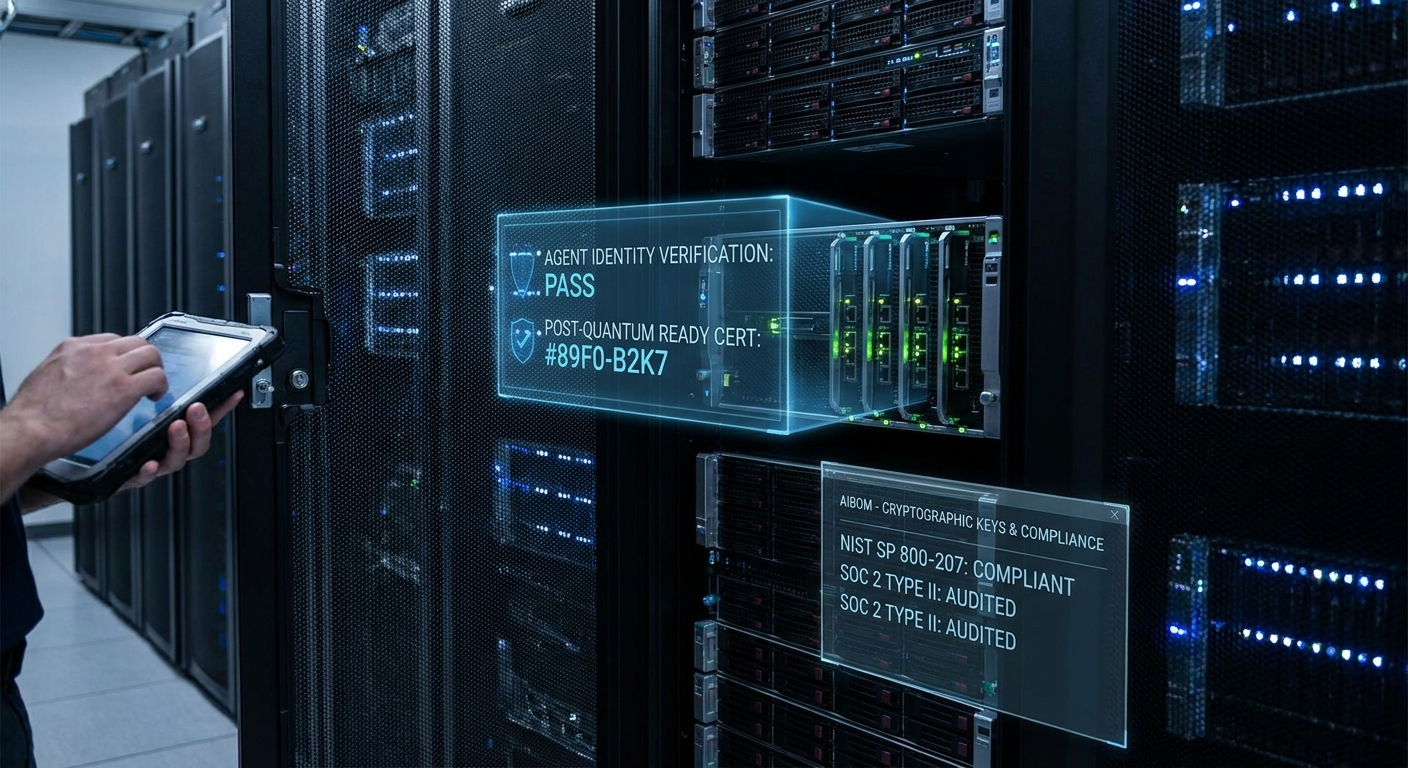
New NIST Compliance Benchmarks Rank Top 10 Post-Quantum Cryptographic Solutions for Machine Identity Security


TL;DR
- NIST has finalized three core post-quantum encryption standards to combat quantum threats.
- New algorithms like ML-KEM and ML-DSA replace vulnerable legacy public-key encryption methods.
- Federal mandates now require organizations to integrate quantum-resistant machine identity frameworks.
- These standards prevent future data decryption by powerful quantum computing hardware.
The National Institute of Standards and Technology (NIST) just dropped its first three finalized post-quantum encryption standards. It’s a big deal—the kind of shift that changes the bedrock of how we protect data. After eight years of global scrutiny, these standards aren't just academic exercises; they are the new blueprints for keeping digital infrastructure from crumbling when quantum computing finally hits its stride.
We’re talking about a full-scale pivot. Federal guidance is already pushing agencies and private firms to bake these quantum-resistant algorithms into their machine identity and data protection frameworks. Why the rush? Because experts agree: the encryption we rely on today to lock our digital doors is effectively a ticking clock. Within a decade, a sufficiently powerful quantum computer could tear through our current public-key encryption like it’s made of paper.
The Long Road to Standardization
This didn't happen overnight. The clock started in 2015 when NIST launched a global hunt for algorithms that could actually stand up to the raw, brute-force power of quantum systems. It was a massive undertaking. They sifted through 82 different algorithms from 25 countries. The goal? Replace the math we’ve used for decades—like factoring massive numbers—with something quantum computers can’t just "solve" their way out of.
According to the official NIST release, these finalized standards are the result of years of brutal peer review and testing. These aren't just theories; they are battle-tested defenses designed to keep machine identities and digital communications secure, no matter how much hardware evolves. The issuance of these Federal Information Processing Standards (FIPS) gives everyone a clear, non-negotiable roadmap for what comes next.
The Three Core Algorithms
On August 13, 2024, NIST officially unveiled the three standards that will define the next era of security. They handle the two heavy hitters of the digital world: key establishment and digital signatures.
- ML-KEM (Module-Lattice-Based Key-Encapsulation Mechanism): This is your new standard for key agreement. It’s the successor to the older methods we’ve used to establish secret keys between parties.
- ML-DSA (Module-Lattice-Based Digital Signature Algorithm): When you need to prove who you are and ensure your data hasn't been tampered with, this is the engine under the hood.
- SLH-DSA (Stateless Hash-Based Digital Signature Algorithm): Think of this as the backup plan. It uses a different mathematical foundation, providing a vital layer of redundancy if the others run into trouble.
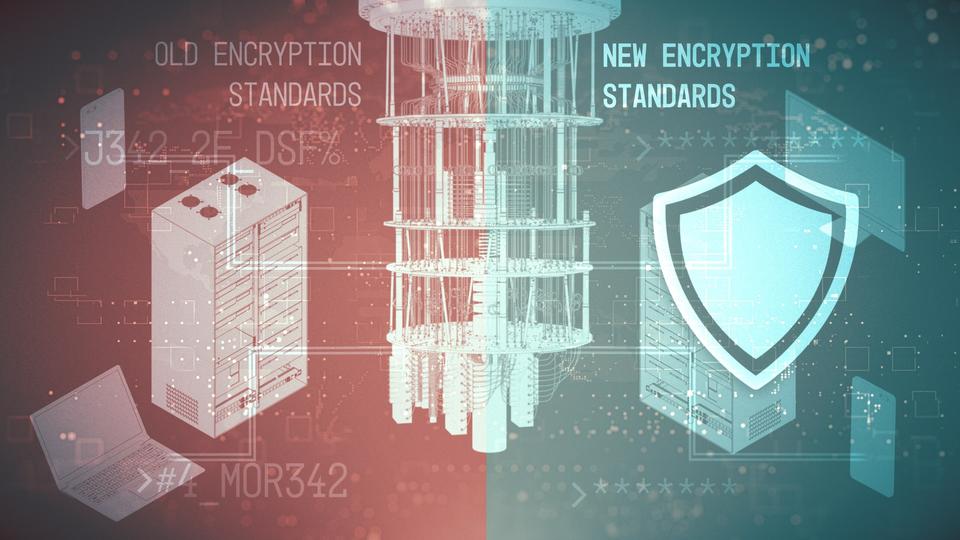
Compliance Isn't Optional
This isn't just a "nice to have" technical upgrade. Under Executive Order 14306, federal agencies are legally required to start moving toward post-quantum cryptography (PQC) wherever it’s available. CISA is singing the same tune: if you’re buying hardware or software, it better be PQC-ready.
If you want to get into the weeds, the NIST FIPS 205 publication lays out the technical specs in excruciating detail. For organizations, the first step is an audit. You need to know what you’ve got, where your cryptographic keys live, and how you’re going to swap them out. While the government isn't mandating specific discovery tools yet, planning your procurement around PQC-capable systems is the only way to stay ahead of the curve.
| Standard | Primary Function | Cryptographic Purpose |
|---|---|---|
| ML-KEM | Key Establishment | Secure Key Agreement |
| ML-DSA | Digital Signature | Authentication & Integrity |
| SLH-DSA | Digital Signature | Stateless Hash-based Security |
What’s Next?
We’re not done yet. NIST has already signaled that a fourth standard, FN-DSA (based on FALCON), is slated to arrive later in 2024. That’ll give security architects even more flexibility.
The urgency here is driven by a very real threat: "harvest now, decrypt later." Bad actors are already vacuuming up encrypted data, banking on the fact that they’ll be able to crack it once they get their hands on a quantum computer. By adopting these FIPS-approved post-quantum cryptographic standards, you’re effectively slamming the door on that future theft.
As noted in research regarding the threat of quantum computing, this transition is a fundamental evolution of the security landscape. It’s a marathon, not a sprint. You start by mapping your assets, you identify your weak points, and you methodically weave these new protocols into your machine identity management. Those who start aligning their development cycles with these benchmarks today will be the ones left standing when the quantum era fully arrives.