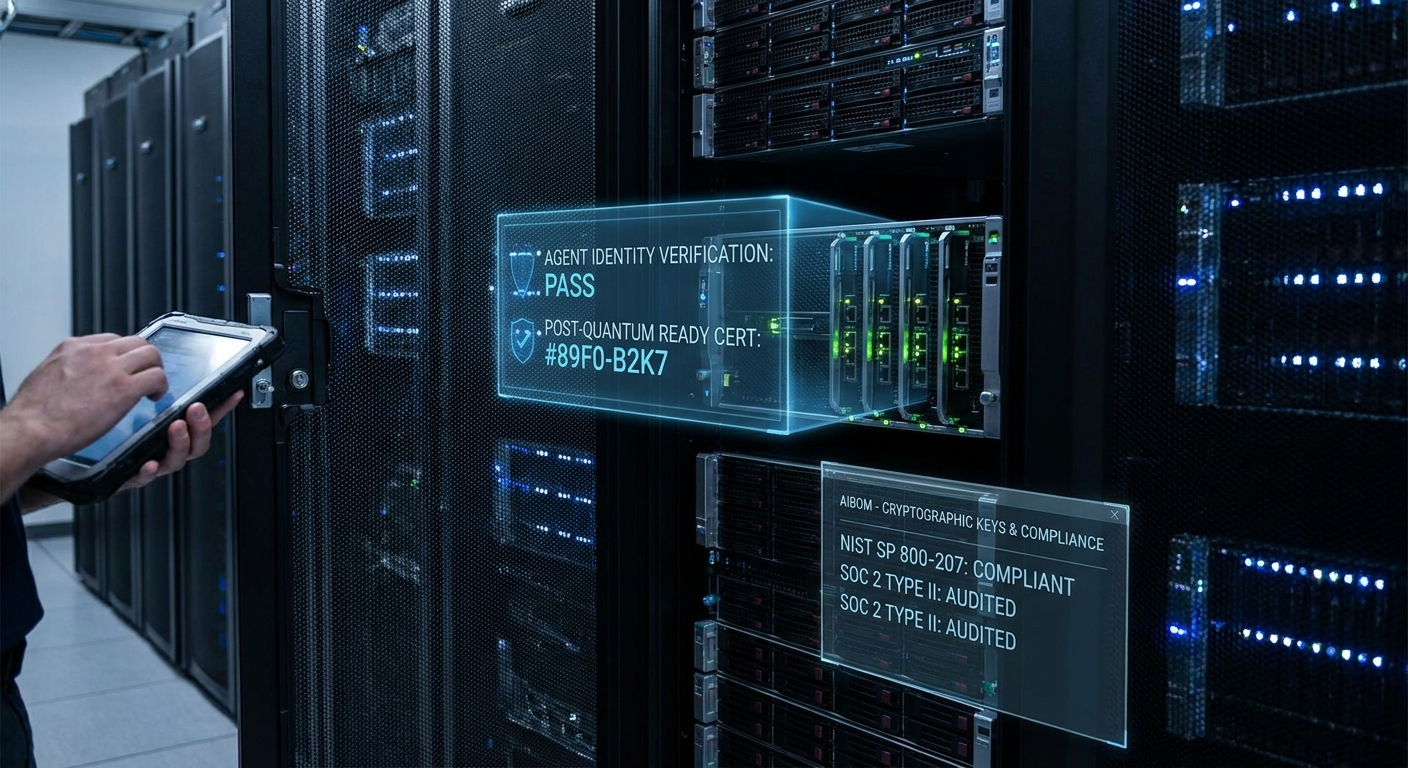
New Security Frameworks Emerge to Address Privileged Access Management Gaps in AI-Driven Enterprise Workflows


TL;DR
- Traditional PAM is failing to manage high-velocity autonomous AI agents.
- Identity is now the primary security perimeter for enterprise cloud workflows.
- Non-Human Identities (NHI) require new behavioral analytics and governance frameworks.
- Industry shifts like CyberArk/Palo Alto deal signal a focus on identity-first security.
The Security Pivot: How PAM is Adapting to a World of Autonomous Agents
The enterprise security playbook is being rewritten in real-time. We’re watching a structural shift where Privileged Access Management (PAM) is forced to grow up, moving away from the static, locked-door mentality of the past to meet the chaotic, high-speed reality of autonomous AI agents and hybrid cloud sprawl. Identity is the new perimeter—that’s not just a buzzword anymore; it’s the only thing keeping the lights on.
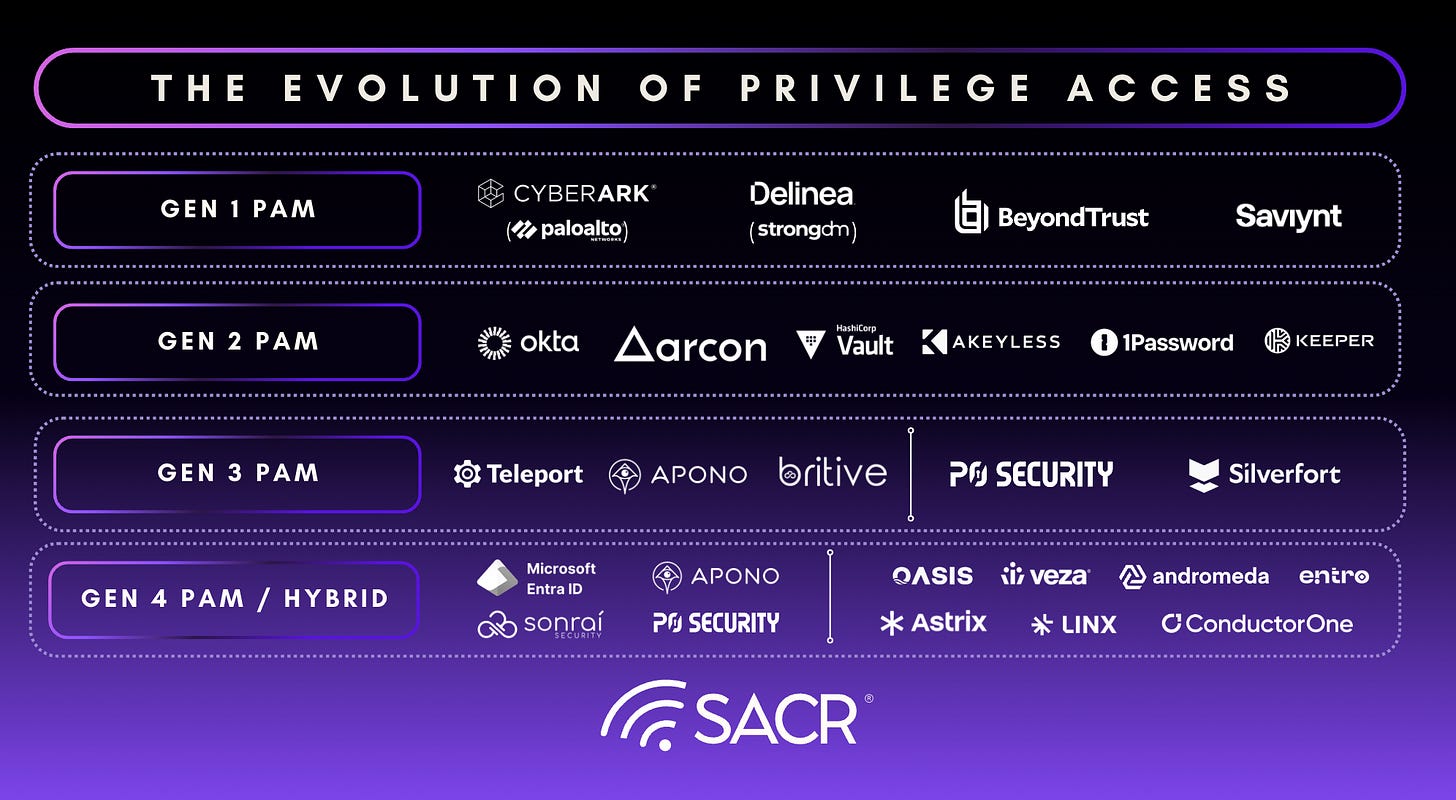
This isn't happening in a vacuum. Look at the $25 billion acquisition of CyberArk by Palo Alto Networks. That’s not just a deal; it’s a massive, industry-wide admission that if you don't get a handle on identity and privilege, you don't have a security strategy. Period. Traditional models are choking on the speed of autonomous systems, and the industry is scrambling to build frameworks that can actually keep up with real-time behavioral analytics.
The Identity Perimeter: Why Endpoints Don't Matter Like They Used To
Remember when we obsessed over endpoints? That feels like a lifetime ago. In a cloud-first world, identity is everything. Since identity-based attacks are now the primary driver of enterprise breaches, we’re forced to rethink the entire lifecycle of a privilege—how it’s born, how it’s used, and how it’s killed.
We’ve spent years layering IDPs, MFA, and SSO, but that’s just the baseline. Now, we’re bolting on Identity Threat Detection and Response (ITDR) and Identity Governance and Administration (IGA) just to keep our heads above water.
The real headache? Non-Human Identities (NHI). We’ve got autonomous AI agents running wild across our systems, executing tasks at speeds no human could ever hope to supervise. These agents aren't just users; they’re high-velocity actors with access to the keys to the kingdom. If your PAM solution was built for a human admin in 2015, it’s effectively useless against an agentic workflow. We need "Agentic AI Security," and we need it yesterday.
The Double-Edged Sword: AI in the Security Stack
AI is a bit of a paradox in the security world. It’s our best weapon for defense, but it’s also the biggest management challenge we’ve faced in a decade. Modern platforms are finally leaning into behavioral baselines—watching what’s "normal" and flagging anything that deviates. It’s the only way to catch lateral movement or privilege escalation before the damage is done.
The market is moving fast to fill these gaps. Okta’s acquisition of Axiom and Delinea picking up StrongDM are clear signals that Just-in-Time (JIT) access is the new gold standard. Even Silverfort’s latest offering is laser-focused on the messy reality of service accounts and machine identities—the stuff legacy PAM usually ignores.
The Four Pillars of the Modern PAM Stack
If you want to survive the era of autonomous workflows, you need to get back to basics, but with a modern twist. The current framework rests on four non-negotiable pillars:
- Privileged Account Discovery: You can’t protect what you can’t see. This means continuous, automated discovery of every privileged account, especially the ones created by AI agents.
- Secrets Management & Vaulting: Stop hardcoding credentials. Use centralized, secure vaults with automated rotation, like those found in modern secrets automation platforms.
- Just-in-Time (JIT) Access: The "always-on" privilege model is dead. Move to a model where access is granted only for the specific task at hand and revoked the second it’s finished.
- Session Monitoring & Intent Auditing: It’s not enough to see who is logged in; you need to see what they are trying to do. Real-time auditing ensures that agentic actions match the intended policy.
Intent vs. Action: The Governance Challenge
Here is where it gets tricky. Traditional security cares about endpoints; Agentic AI security cares about intent. If an agent tries to pull data from a database, the system needs to know: is this part of a normal workflow, or is this an anomaly?
This is where explainability becomes a legal necessity, not just a technical feature. Between GDPR and the NIST AI Risk Management Framework, you need to prove exactly why an action happened. If your AI agents are making decisions, you better have an immutable log that explains their logic.
| Security Challenge | Mitigation Strategy |
|---|---|
| Non-Human Identity Sprawl | Automated discovery and lifecycle management |
| Lateral Movement | Just-in-time (JIT) access and session isolation |
| AI-Driven Privilege Escalation | Real-time behavioral analytics and intent monitoring |
| Regulatory Non-Compliance | Immutable logging and AI action explainability |
What Comes Next?
The marriage of PAM and AI governance isn't a minor upgrade—it’s a fundamental shift in how we manage risk. As Palo Alto Networks and CyberArk reshape the market, the industry is moving toward holistic platforms that treat an AI agent’s lifecycle with the same rigor as a human admin’s.
But let’s be clear: automation isn't a silver bullet. You still need humans in the loop to set the guardrails, handle the exceptions, and navigate the regulatory minefield. AI can enforce the rules at scale, but it can’t decide what the rules should be.
Ultimately, the goal is to stop obsessing over the perimeter and start obsessing over the integrity of the workflow itself. In a world where machine-led decisions are becoming the norm, the ability to govern those decisions—verifiably and transparently—will be the difference between a secure enterprise and one waiting for the next big breach. The future of security is identity-centric, automated, and, above all, auditable. We’re not just securing access anymore; we’re securing the logic that runs the business.