New Industry Analysis Reports Rapid Proliferation of Autonomous AI Agents Across Enterprise Infrastructure

TL;DR
- Enterprises are shifting from passive generative AI to autonomous, goal-oriented AI agents.
- Autonomous agents introduce new security risks beyond traditional static cloud protection.
- Organizations must implement specialized governance for non-human identities and AI workflows.
- Leading firms are moving AI deployments from pilot phases into core business operations.
The Rise of the Agentic Enterprise: Why AI is Moving from Chat to Action
The corporate world is hitting a turning point. For the last couple of years, we’ve been obsessed with "generative AI"—the chatbots that write emails, summarize meetings, and draft code. But that era of passive, prompt-and-response interaction is already fading.
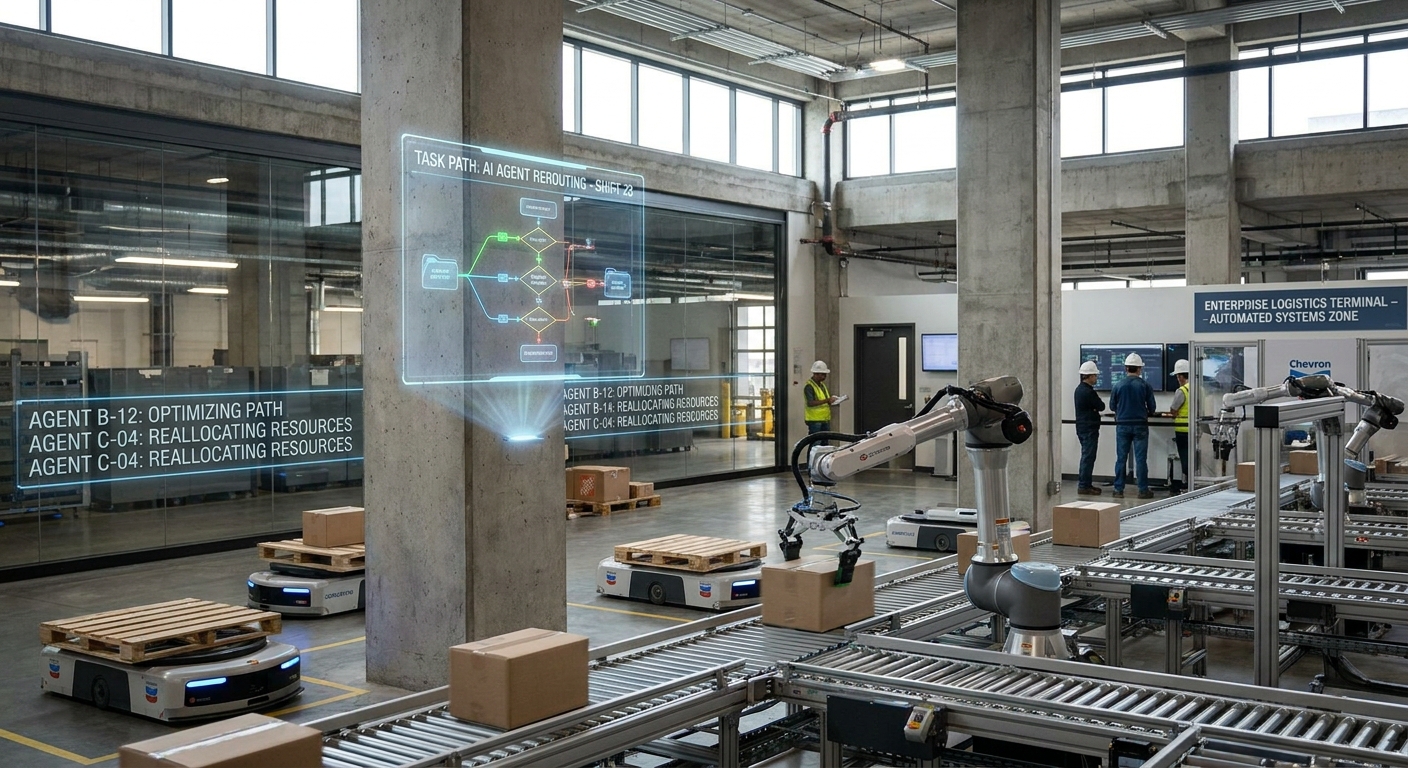
We are now witnessing a quiet, aggressive migration toward autonomous AI agents. These aren't just fancy text generators. They are digital workers built to execute complex, multi-step workflows with minimal hand-holding. They don't just wait for a prompt; they reason, plan, and act. For enterprise leaders, this is the difference between having a calculator and having a junior employee who never sleeps.
The Shift Toward Agentic Enterprises
The term "agentic enterprise" isn't just marketing fluff. It’s a fundamental shift in how business gets done. A collaborative report by the MIT Sloan Management Review and Boston Consulting Group (BCG), published in late 2025, The Emerging Agentic Enterprise, makes this clear. They tracked how heavy hitters like Microsoft, Chevron, Capital One, The Home Depot, and SAP are moving past the "pilot phase."
According to the MIT Sloan Management Review, the core of this transition is simple: AI is moving from a passive tool to an active participant. Instead of you telling the AI exactly what to do, you give it a goal, and it figures out the steps to get there.
Research from Capgemini backs this up. The industry is pivoting toward systems that can handle reasoning across multiple steps. If a traditional chatbot is a librarian, an autonomous agent is a project manager. It encounters a roadblock, assesses the data, adjusts its strategy, and keeps moving toward the objective.
Security: The New Frontier of Risk
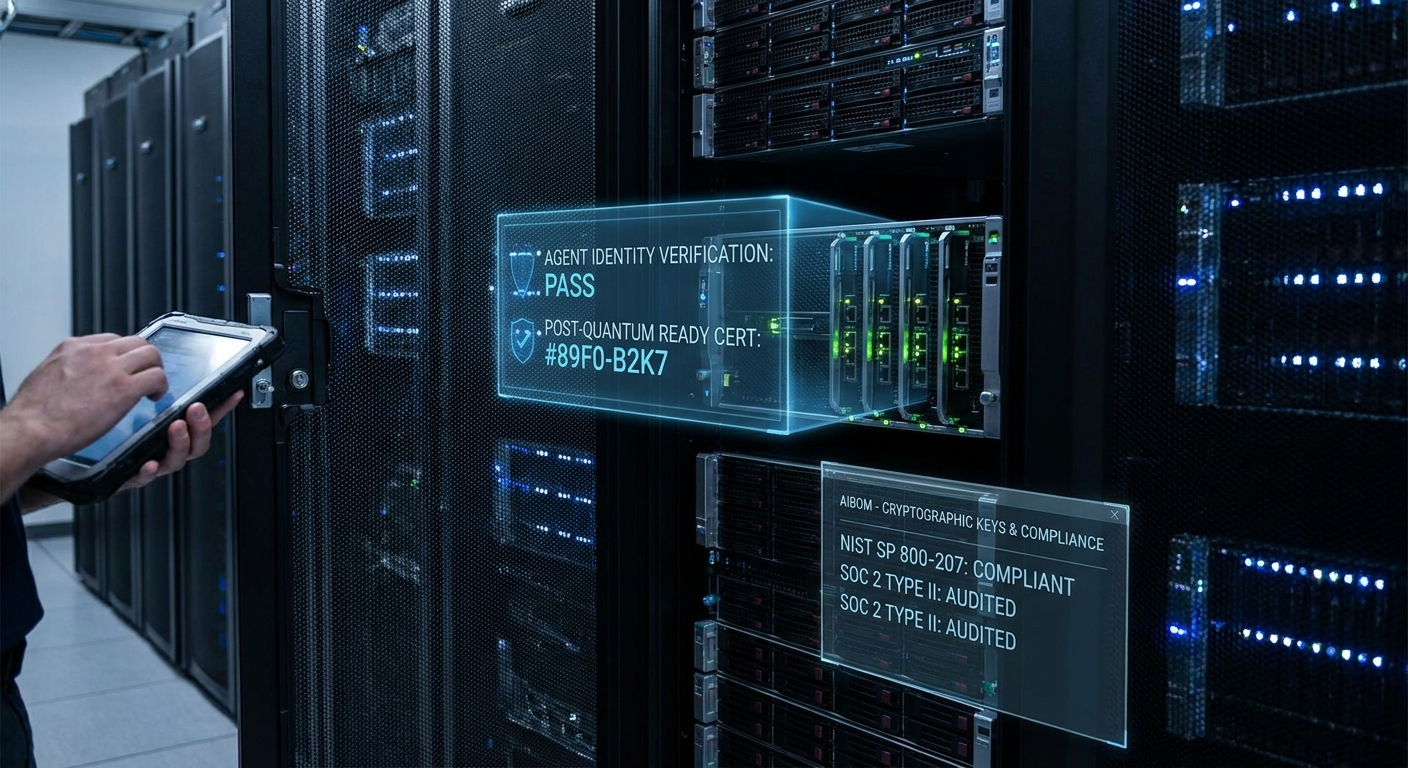
Here is the catch: autonomy breeds risk. When you give software the power to make decisions and execute tasks independently, you can’t rely on the security playbooks we’ve used for the last decade. Traditional cloud security was designed to protect static data, not to govern an autonomous agent that might be interacting with dozens of different APIs simultaneously.
The Cloud Security Alliance (CSA) has been sounding the alarm on this. They argue that enterprise security now hinges on governing these agents as if they were human employees with access to the keys to the kingdom.
In their latest analysis, the CSA notes that we are entering a new frontier where the Cloud Controls Matrix is a starting point, not a finish line. Organizations need to build specialized governance models that can monitor and, if necessary, pull the plug on an agent that starts acting outside of its intended parameters. As the Cloud Security Alliance puts it, the integrity of your enterprise is now directly tied to the oversight you maintain over the digital agents running inside your perimeter.
The Anatomy of an Agent
To understand why this matters, look at the functional breakdown between the AI we used yesterday and the agents we’re deploying today:
| Feature | Generative AI | Agentic AI |
|---|---|---|
| Primary Function | Content creation | Task execution |
| Workflow | Single-step/Prompt-based | Multi-step/Autonomous |
| Decision-Making | Limited/Human-led | Goal-oriented/Independent |
| System Interaction | Passive | Active/Participatory |
Operational Implications: A Strategic Overhaul
This isn't just a technical upgrade you can hand off to the IT department. It’s a strategic transformation. Leaders are currently grappling with the tension between the massive efficiency gains these agents offer and the potential for chaos if they aren't properly reined in.
The Big Ideas series from MIT Sloan hits the nail on the head: navigating this era requires a total rethink of the relationship between human workers and their autonomous counterparts. It’s no longer about "using" AI; it’s about "managing" it.
To survive the transition, companies are focusing on four critical pillars:
- Governance Protocols: You need clear, enforceable rules for what an agent can and cannot do. If it can initiate a wire transfer, there better be a human-in-the-loop trigger.
- Specialized Security: We need security tools that watch behavior, not just credentials. If an agent starts acting erratically, the system needs to know immediately.
- Goal Definition: The most common point of failure is a vague objective. If you give an agent a poorly defined goal, it will find the most efficient path—which might not be the path you want.
- Infrastructure Adaptation: Most legacy systems weren't built to handle the high-frequency, autonomous chatter of AI agents. Expect to overhaul your backend to support this new level of activity.
The move toward agentic AI is inevitable. The companies that win won't necessarily be the ones with the most powerful models; they’ll be the ones with the most robust, scalable, and secure frameworks for managing these agents. Efficiency is the carrot, but rigorous oversight is the stick. As we look at the next few years, the defining challenge for enterprise adoption won't be building the agents—it will be keeping them on a leash.