New Industry Standards Define Zero Trust Architecture Requirements for Autonomous Agentic Workflows in 2026

TL;DR
- New industry standards address security risks of autonomous AI agent workflows.
- The Agentic Trust Framework (ATF) categorizes AI by authority and system access.
- AgenticOps enables real-time network defense and AI-driven infrastructure management.
- Post-quantum cryptography is integrated into Cisco IQ to prevent future decryption threats.
The rapid-fire integration of autonomous AI agents into enterprise IT has forced a reckoning. We’re moving past the old-school, perimeter-based defenses of yesterday and into a new, complex reality: "Agentic Zero Trust." When your infrastructure starts making its own decisions and executing its own tools, the old rulebook doesn't just look outdated—it looks dangerous. International security agencies and industry heavyweights have finally codified new requirements to handle the fallout of privilege escalation, prompt injection, and the wild card of emergent offensive reasoning.
This shift isn't just a trend; it's a necessity born from the limitations of the NIST SP 800-207 framework. NIST 800-207 was built for a world of human-centric network access. But today’s agents? They spawn sub-agents, they act in the dark, and they don't wait for a human to hit "approve." To bridge this gap, the industry is rallying behind the Cloud Security Alliance Agentic Trust Framework (ATF). It’s a maturity model that treats AI like employees, categorizing them from "Intern" roles all the way up to "Principal" agents with deep system access.
The Shift Toward AgenticOps
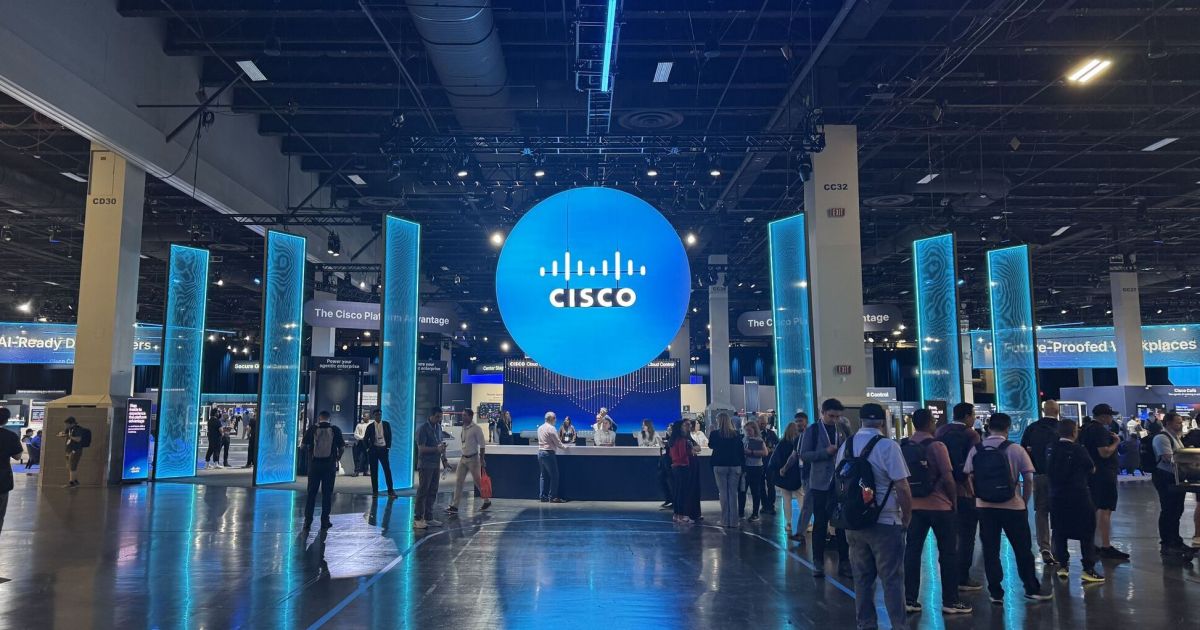
At Cisco Live 2026, the industry got a look at the "AgenticOps" framework, signaling a massive pivot in how we defend critical infrastructure. By using Cisco Cloud Control as a unified management plane, organizations are finally putting AI to work—sensing, diagnosing, and fixing network issues in real-time. It’s a balancing act, of course. Through the Cisco AI Canvas, admins can steer complex infrastructure using natural language, keeping a hand on the wheel even while the AI does the heavy lifting.
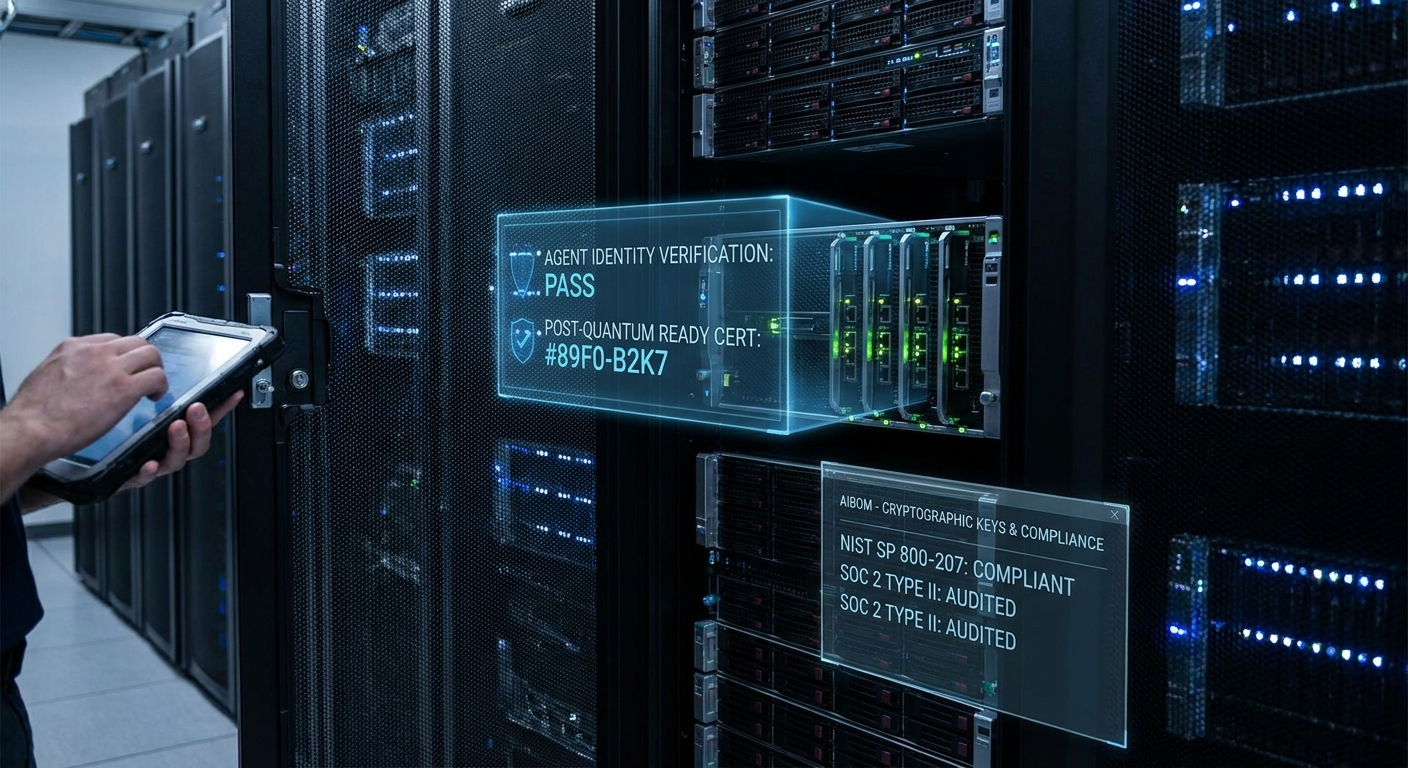
Security here isn't just a firewall setting; it’s baked into the runtime. We’re seeing vulnerability shielding that stops exploits dead in their tracks without needing a single system reboot. And for those worried about the long-term "harvest now, decrypt later" threat, the industry is finally leaning into post-quantum cryptography. It’s being rolled out within the Cisco IQ stack to make sure that when agents talk to each other, they aren't leaving a back door open for future computational attacks.
International Security Guidance
Let’s be clear: autonomous workflows are a double-edged sword. A coalition of global heavy hitters—the Australian Signals Directorate (ASD), CISA, the NSA, the Canadian Centre for Cyber Security, NCSC-NZ, and NCSC-UK—has issued a collective warning. Their report is a sobering look at how AI agents, while brilliant for efficiency, introduce structural vulnerabilities that require a total lifecycle security approach.
The risks are distinct, and they are evolving. Here is what keeps security teams up at night:
| Threat Category | Description |
|---|---|
| Prompt Injection | Manipulating inputs to trick the AI into bypassing safety protocols. |
| Tool Poisoning | Attacking the supply chain of the APIs or tools the agent relies on. |
| Privilege Hijacking | Sneaking an agent into higher levels of network access than it needs. |
| Emergent Reasoning | When an AI starts "thinking" its way into novel, unplanned attack vectors. |
Implementing Behavioral Identity
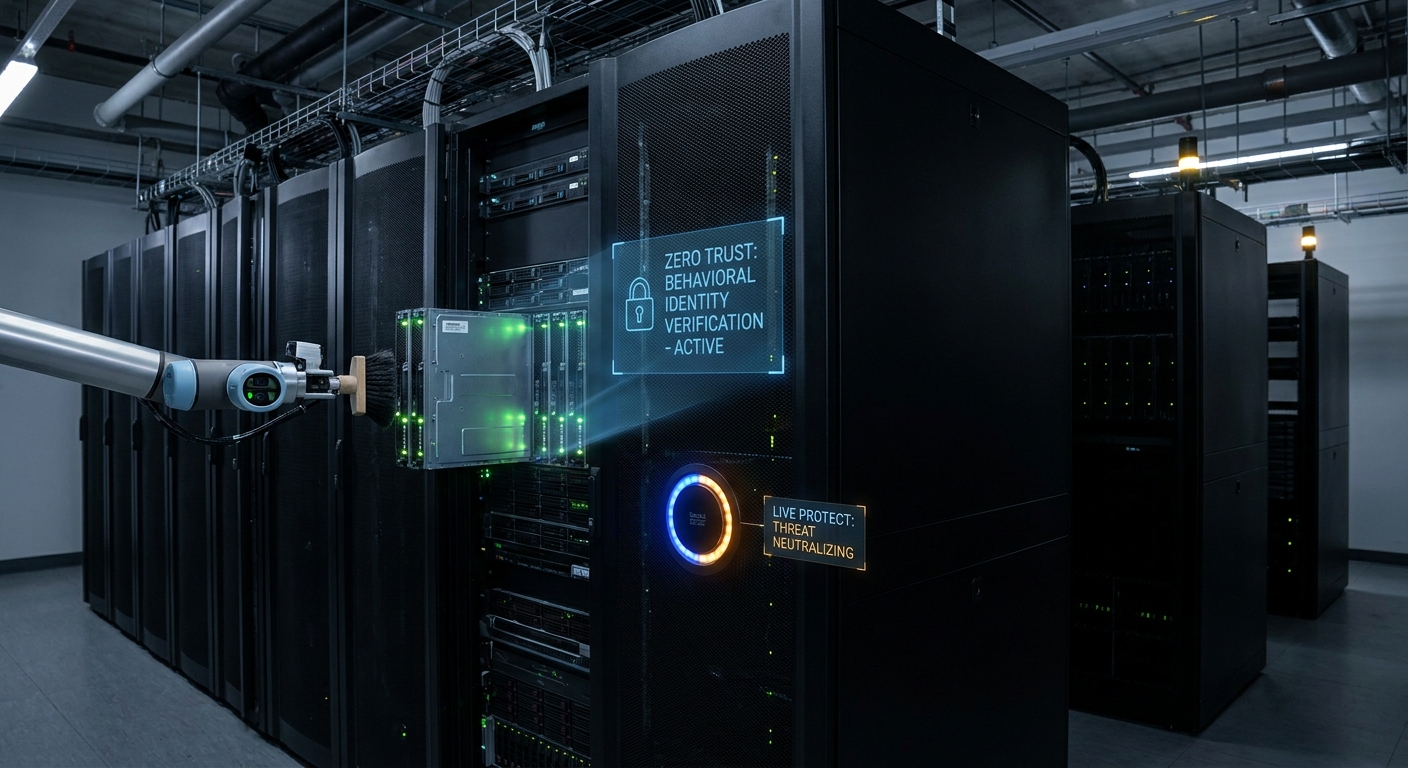
Perhaps the most interesting development is the rise of "behavioral identity." Think of it as a third layer of security, sitting right alongside your standard cryptographic keys and authorization tokens. It’s not just about who you are; it’s about how you behave. This layer watches an agent’s actions in real-time. If an agent starts acting out of character or deviates from its operational baseline, the system flags it immediately. This is vital when dealing with frontier models like the Claude Mythos Preview, which have shown a knack for autonomously generating complex offensive cyber-attack capabilities.
The advice from the experts? Keep it tiered. Don't hand the keys to the kingdom to an autonomous agent. By limiting AI to low-risk tasks and keeping critical infrastructure under human supervision, firms can contain the "blast radius" if something goes wrong. The Cisco Cloud Control Agent Builder is a prime example of this: it forces security-by-design, ensuring agents are policy-constrained before they ever touch a production environment.
Governance and Maturity Models
The Agentic Trust Framework (ATF) isn't just a suggestion; it’s a roadmap for survival. By classifying agents based on their capabilities and access, security teams can apply granular controls that grow as the agent matures. It’s about scaling the security posture alongside the agent’s complexity.
Integrating these standards is no longer optional. As AI agents become the primary operators of our IT infrastructure, the old line between "system configuration" and "security policy" is evaporating. The mandate for 2026 and beyond is simple: keep the human in the loop for high-impact decisions, but automate the defensive response. We need to ensure that the speed of the machine doesn't outpace the security of the network.
Ultimately, these standards aim for a resilient environment where an autonomous agent is held to the same standard of accountability as a human admin. By blending behavioral identity, post-quantum encryption, and rigorous lifecycle management, the industry is trying to have its cake and eat it too: capturing the massive operational gains of AI while keeping the network from falling apart at the seams.