Physical Breach Tactics Emerge as Extortionists Pivot to USB-Based Attacks Against Enterprise Infrastructure

TL;DR
- Attackers are pivoting to low-tech, USB-based physical infiltration tactics.
- Modern digital defenses often ignore threats at the physical port level.
- State-sponsored groups are weaponizing flash drives for espionage and sabotage.
- BYOD policies and legacy protocols create critical, overlooked security gaps.
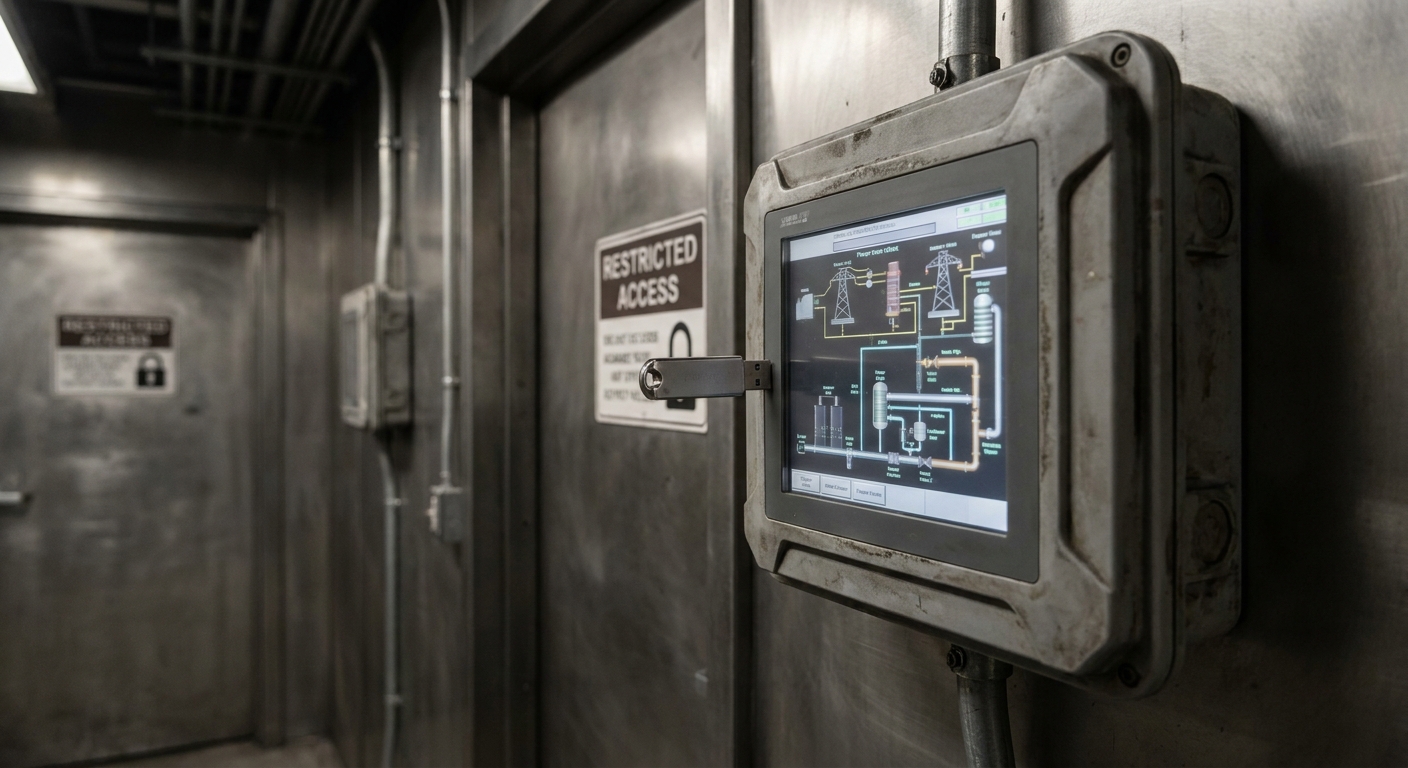
- Physical breaches now threaten industrial control systems and critical infrastructure.
Think your network perimeter is impenetrable? Think again. While security teams spend millions fortifying firewalls and hunting for zero-day exploits in the cloud, attackers are going low-tech. They’re walking through the front door—or at least, their thumb drives are.
Extortionists and APT groups are dusting off an old-school playbook: the physical USB-based attack. It’s a strategic pivot back to the basics, designed to bypass the hardened digital defenses that have become the gold standard of modern enterprise security. By exploiting the inherent trust we place in our own hardware and the messy reality of BYOD (Bring Your Own Device) policies, these actors are turning our own endpoints against us.
This isn't just about a rogue employee plugging in a found flash drive. We are seeing a coordinated resurgence of physical media as a primary attack vector, fueled by a volatile global climate. Research confirms that state-sponsored actors—specifically from Russia and China—are weaponizing USB payloads to conduct high-stakes espionage and sabotage. Why bother trying to crack a sophisticated firewall when you can just drop a malicious drive in a parking lot and wait for someone to plug it in? These groups are effectively sidestepping the traffic-monitoring systems that dominate modern security stacks, as those tools are rarely tuned to notice what’s happening at the physical port level.
The Convergence of Physical and Digital Vulnerabilities
Modern organizations are fighting a two-front war, and they’re losing on one side. Digital exfiltration speeds have surged thanks to AI-driven tools—a trend highlighted in the Palo Alto Networks Unit 42 Incident Response Report—yet the physical layer remains a glaring, chronically ignored security gap. We’ve built high-tech moats around our digital castles while leaving the drawbridge wide open. Legacy endpoint protocols often treat any connected peripheral as a trusted friend, allowing malware to execute the moment a drive is mounted.

This vulnerability is particularly dangerous given the current geopolitical climate. Since the onset of the Iran war, the threat level has shifted. As of March 2026, we’ve seen critical infrastructure—industrial control systems and utility providers—pounded by a mix of state-sponsored actors and hacktivist groups. These aren't just garden-variety extortionists looking for a quick crypto payout. They are targeting the physical world through the digital one, aiming to cause real-world operational chaos.
Strategic Gaps in Enterprise Defense
Why are these attacks still working? Because we’ve made it easy for them. Data suggests that over 90% of breaches aren't the result of some "Mission Impossible" style hack, but rather the result of basic failures: lack of visibility, inconsistent controls, and an embarrassing amount of identity trust. When an employee brings a personal device into the office, they aren't just bringing a phone or a laptop; they’re creating a bridge between an unsecured home network and the heart of the corporate infrastructure.
| Vulnerability Category | Impact on Security Posture |
|---|---|
| Endpoint Security | Weakened by lack of physical port control and insufficient malware scanning. |
| BYOD Environments | Introduces unmanaged devices into the secure corporate perimeter. |
| Identity Management | Excessive trust levels allow unauthorized peripherals to execute code. |
| Visibility Gaps | Inability to track physical hardware interaction with critical assets. |
Holistic Defense Requirements
If 87% of modern intrusions involve multiple attack surfaces, why are we still relying on siloed defenses? You can’t stop a physical breach with a software-only mindset. Security teams need to marry physical port security with broader cyber threat intelligence to understand how a simple USB stick can escalate into a total network compromise.
The rise of cyber threat alliances between hacktivist groups makes this even messier. These groups are sharing TTPs like they’re trading baseball cards, spreading the know-how for physical disruption across the globe. To stop this, organizations need to get serious about a few non-negotiables:
- Implement Strict Endpoint Control: If a USB drive isn't on the approved list, it shouldn't mount. Period. Use tools that enforce this at the hardware level.
- Enforce Zero Trust Architecture: Stop assuming that just because a device is plugged into a wall in your building, it’s secure. Apply the same skepticism to a physical port as you would to an incoming email from an unknown sender.
- Employee Awareness Programs: Human error is the weakest link. Train your people to treat a discarded USB drive like a live grenade.
- Continuous Monitoring: You can’t stop what you can’t see. Increase visibility into endpoint activity so that the moment a peripheral is connected, your security team knows about it.
As extortionists get more creative, the line between physical and digital security is vanishing. When the digital front door is locked tight, attackers will always look for the side window. For many, that window is the physical port. If your incident response plan doesn't account for the physical reality of your infrastructure, you’re not as secure as you think you are. The path of least resistance is often the one we forget to guard.